
Two pieces of jewelry look identical in product photos yet behave completely differently after six months of wear. One stays bright and holds its stones. The other bends, discolours, or loses a setting.
That difference is not luck. It is decided in seven steps between the raw material and the packed box — and most of them happen where a buyer never looks.
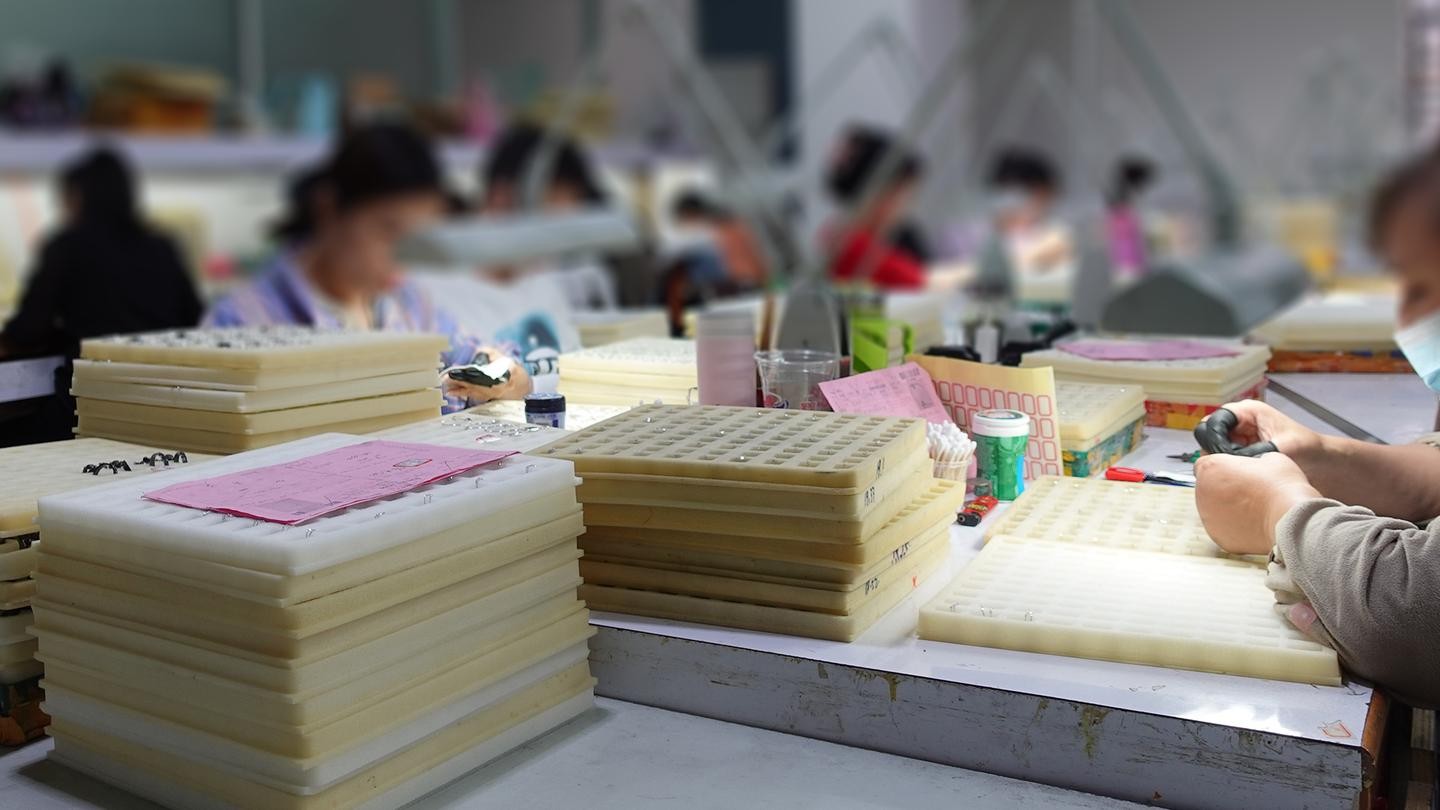
Below is the full process, step by step, photographed in our own workshop in Guangdong.
Step 1 — Raw material: the part you cannot fix later
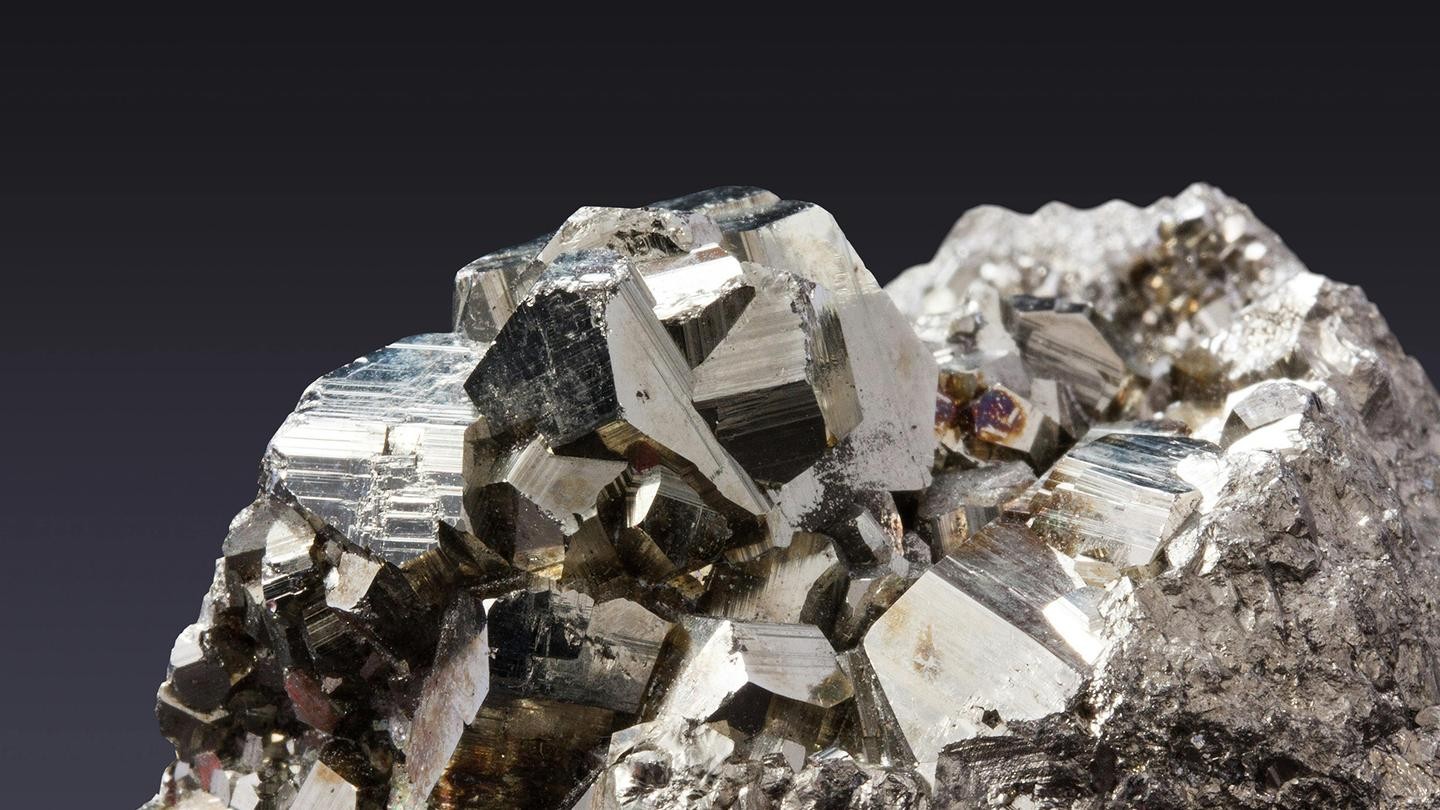
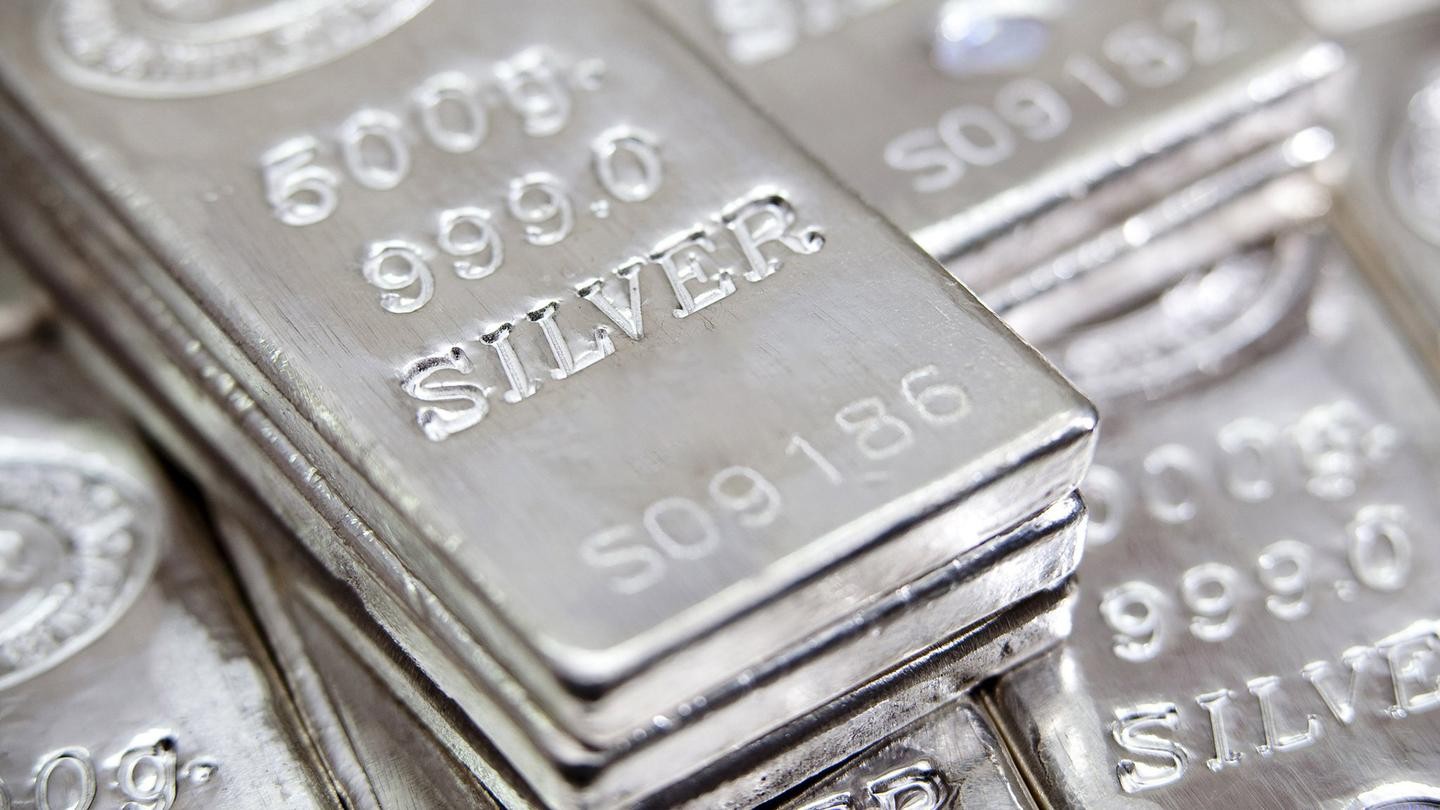
Every piece starts as metal. We buy silver and gold from suppliers who issue a test report for each batch, and nothing enters production until it meets specification: S925 means at least 92.5% silver; S999 means at least 99.9%.
Every incoming batch is sampled and checked on a testing instrument. Off-spec or adulterated metal is rejected at the door, because no later step can correct a bad alloy.
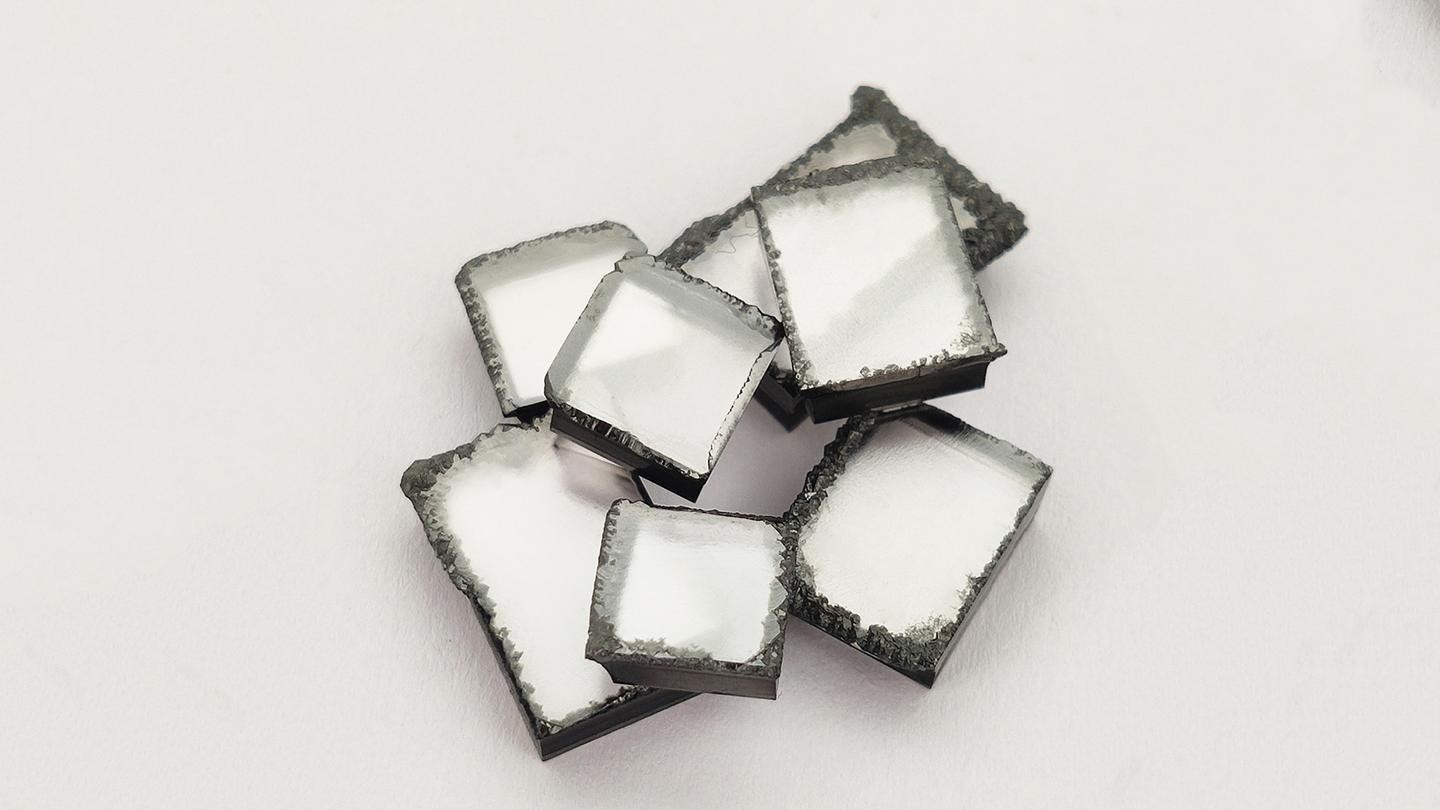
Stones are screened the same way. Natural coloured stones with visible cracks or heavy inclusions are pulled out. Lab-grown stones are selected on crystal clarity and cut quality. Dyed, fracture-filled and imitation material is rejected outright.
This is the step where a low price is most often manufactured. It is also the most expensive place to save — a customer who watches a ring discolour after two months does not place a second order.
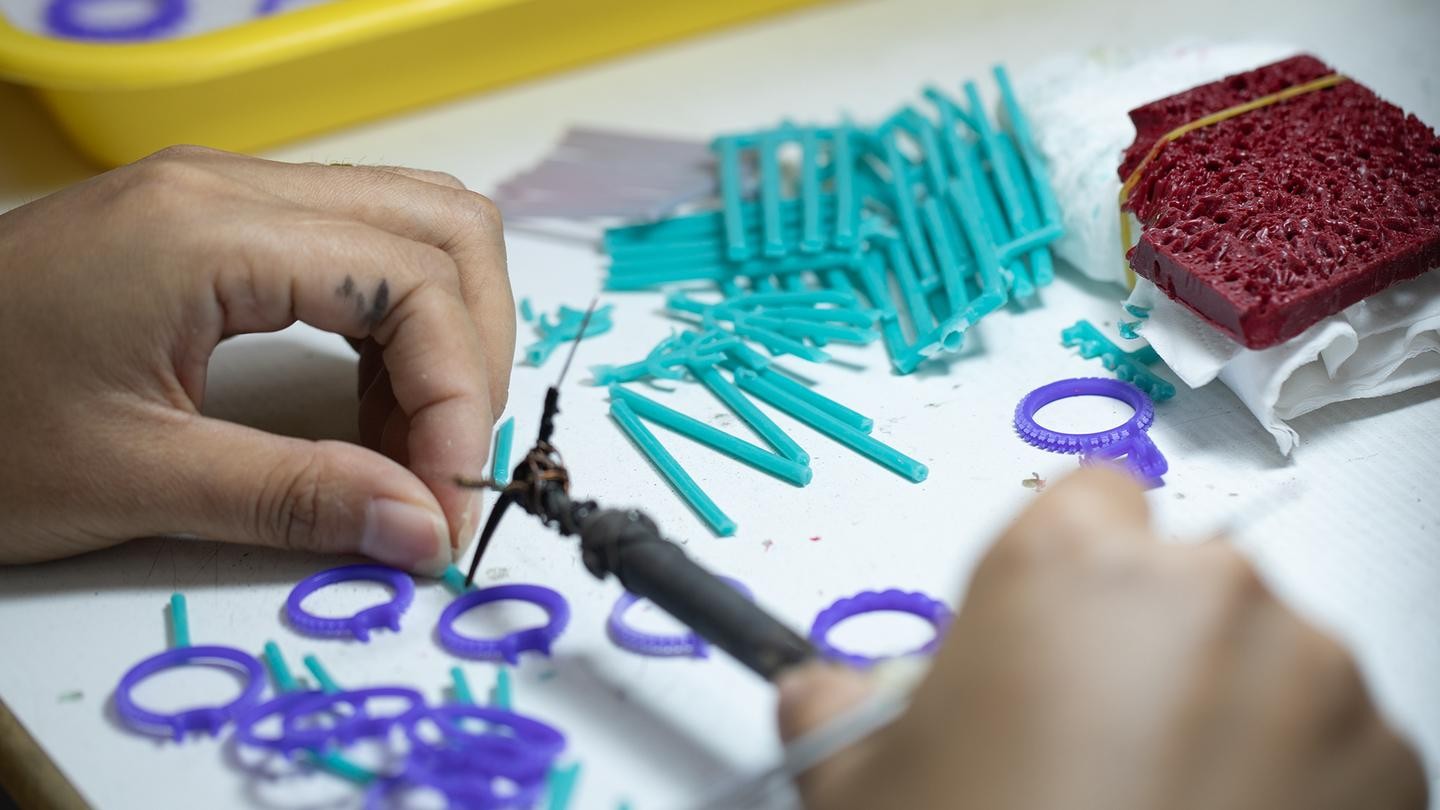
Step 2 — Wax patterns: this is what decides shape and fit
This is the step that determines whether the finished piece has the right shape and the right size — and it is the step cheap production skips.
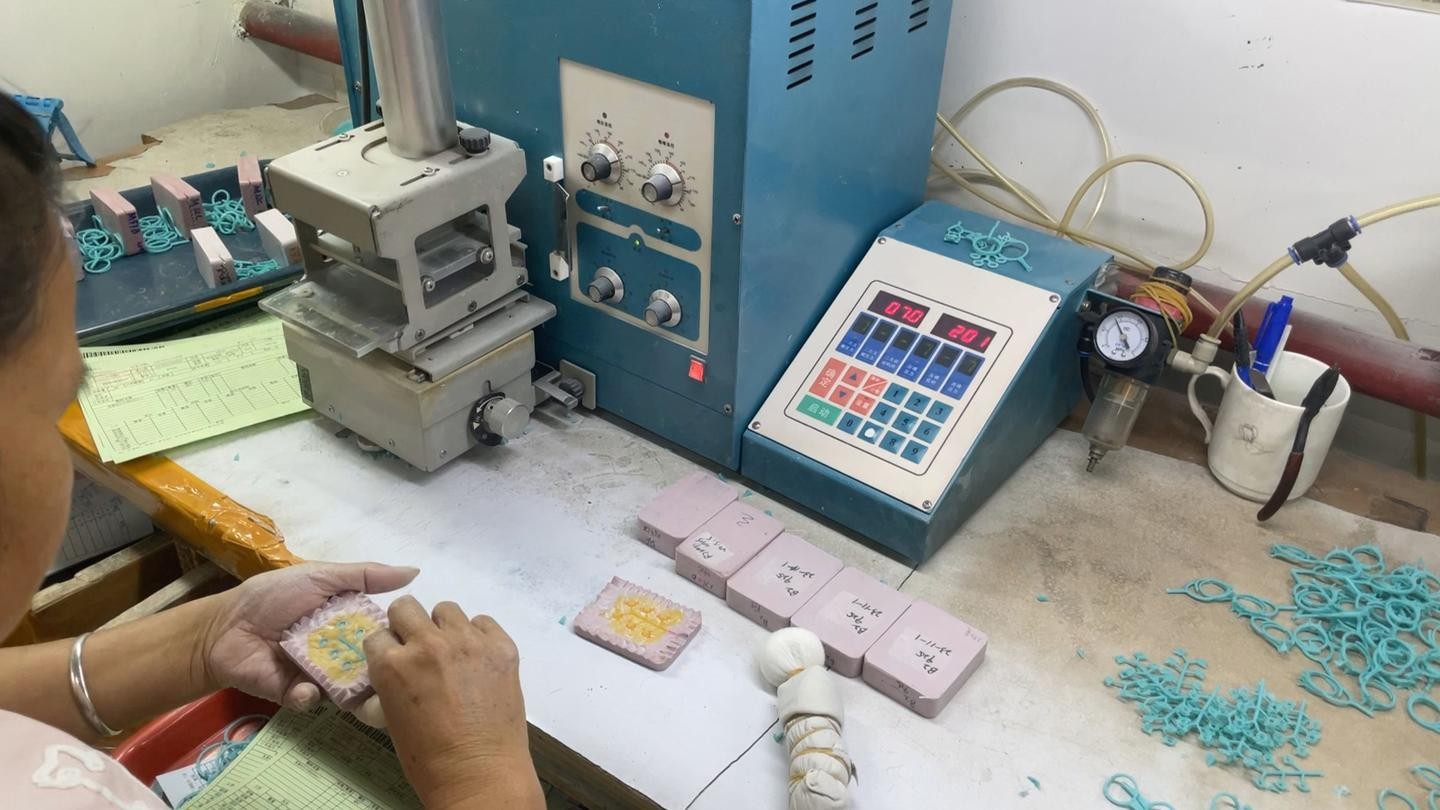
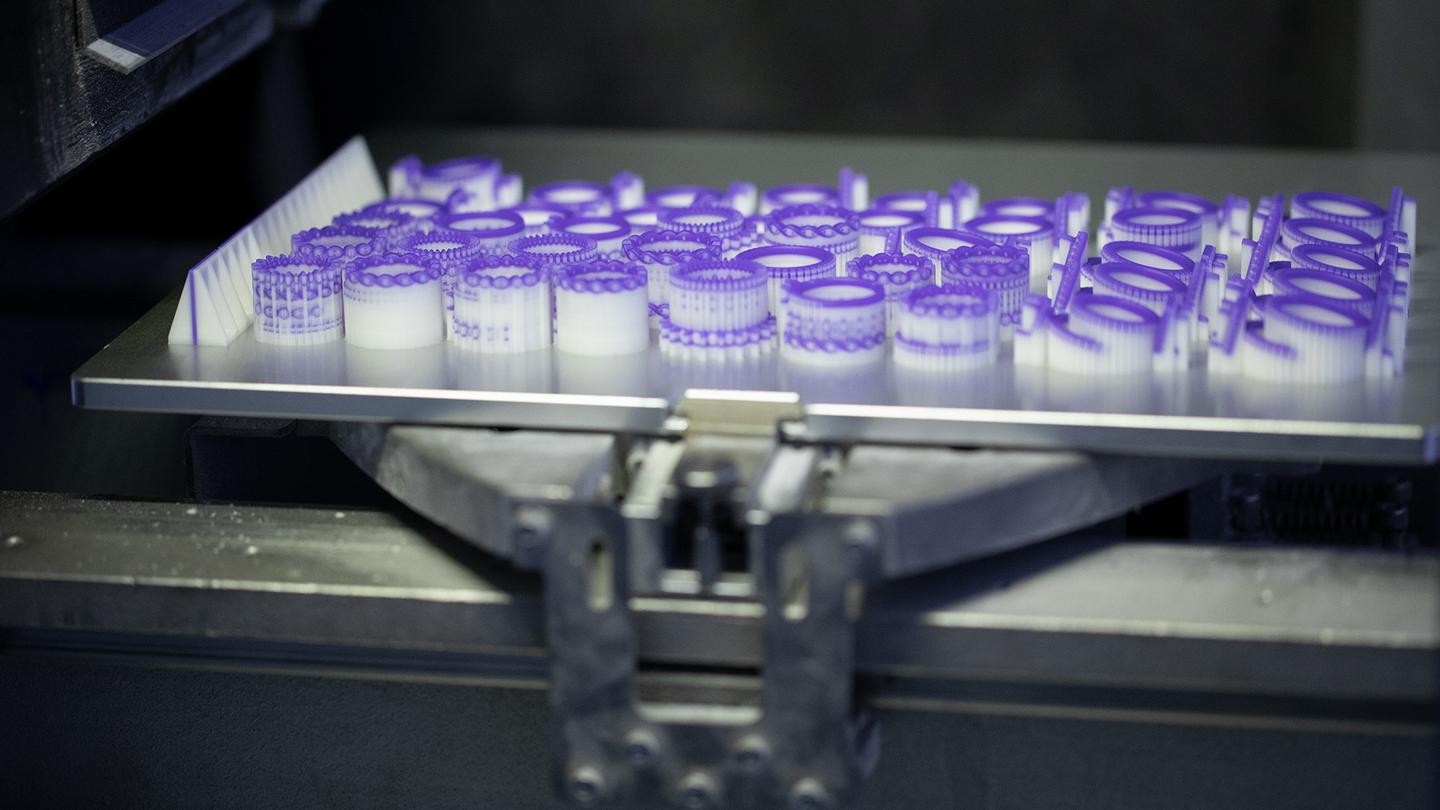
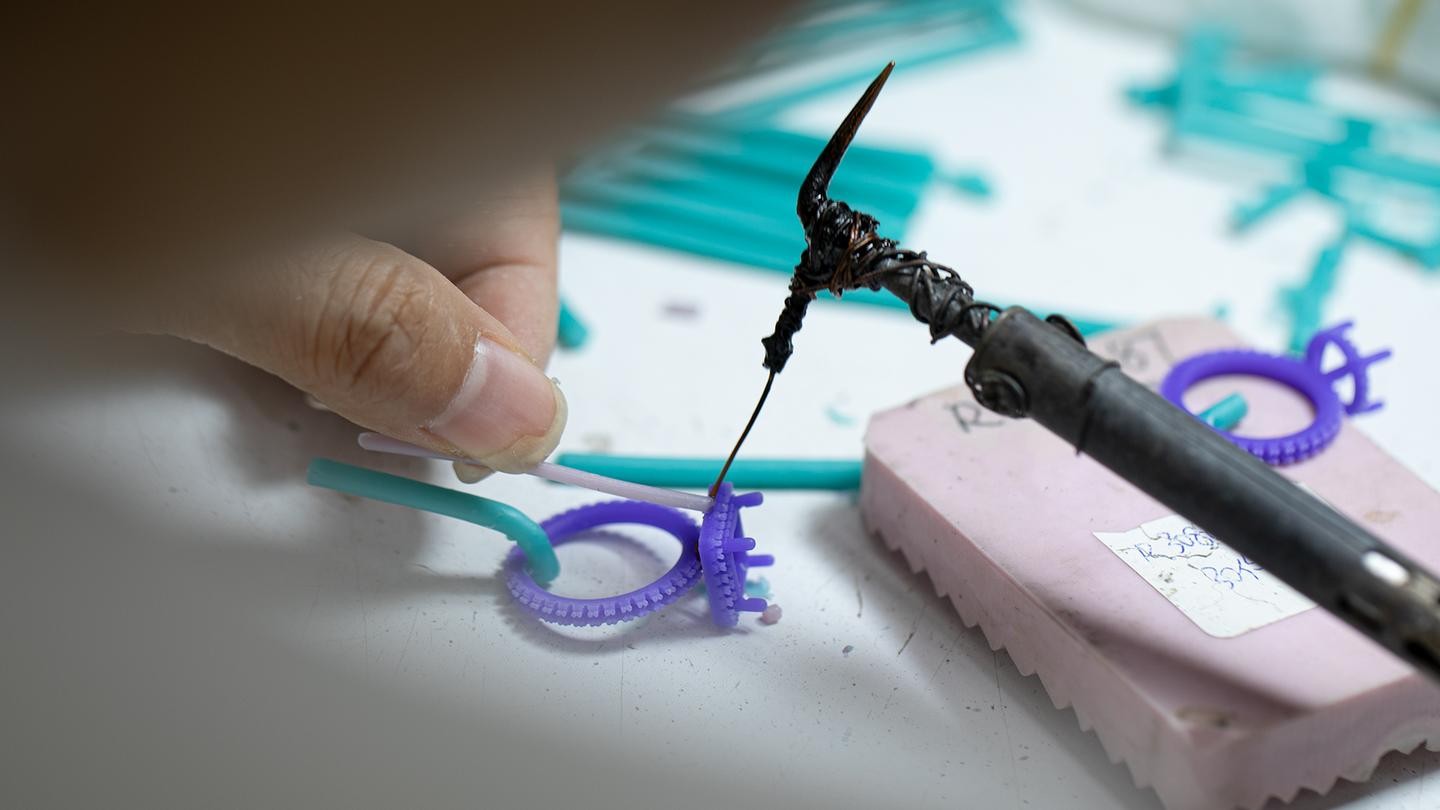
We make wax patterns two ways:
- Rubber-mould wax for repeat designs. A master pattern is made by hand, vulcanised between silicone sheets to form a mould, and wax is injected into it. Every unit in the batch comes out identical. It is the standard route for stock designs and the most cost-effective one.
- 3D wax printing for complex or custom work — filigree, pavé clusters, pierced designs. The piece is built in CAD, then printed layer by layer in a high-temperature wax. It reproduces detail a rubber mould cannot reach, and it shortens development time.
Before any volume run we do a test cast: the wax is treed, invested, burnt out and cast, then checked for shape, dimensions and detail. If anything is off, the mould is re-cut or the CAD parameters are adjusted and the wax is made again. Nothing goes into production until the test cast is right.
Step 3 — Casting: temperature and metal thickness
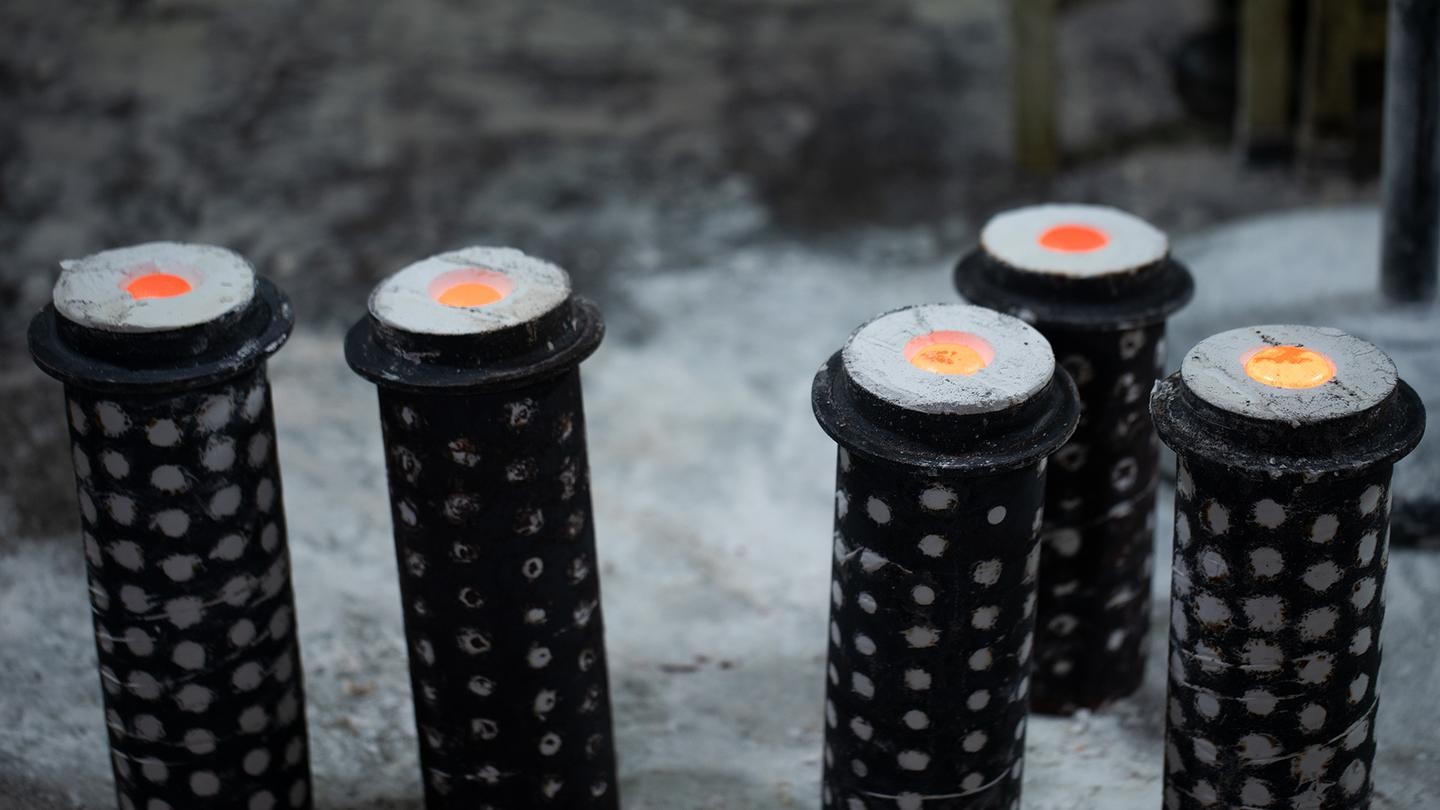
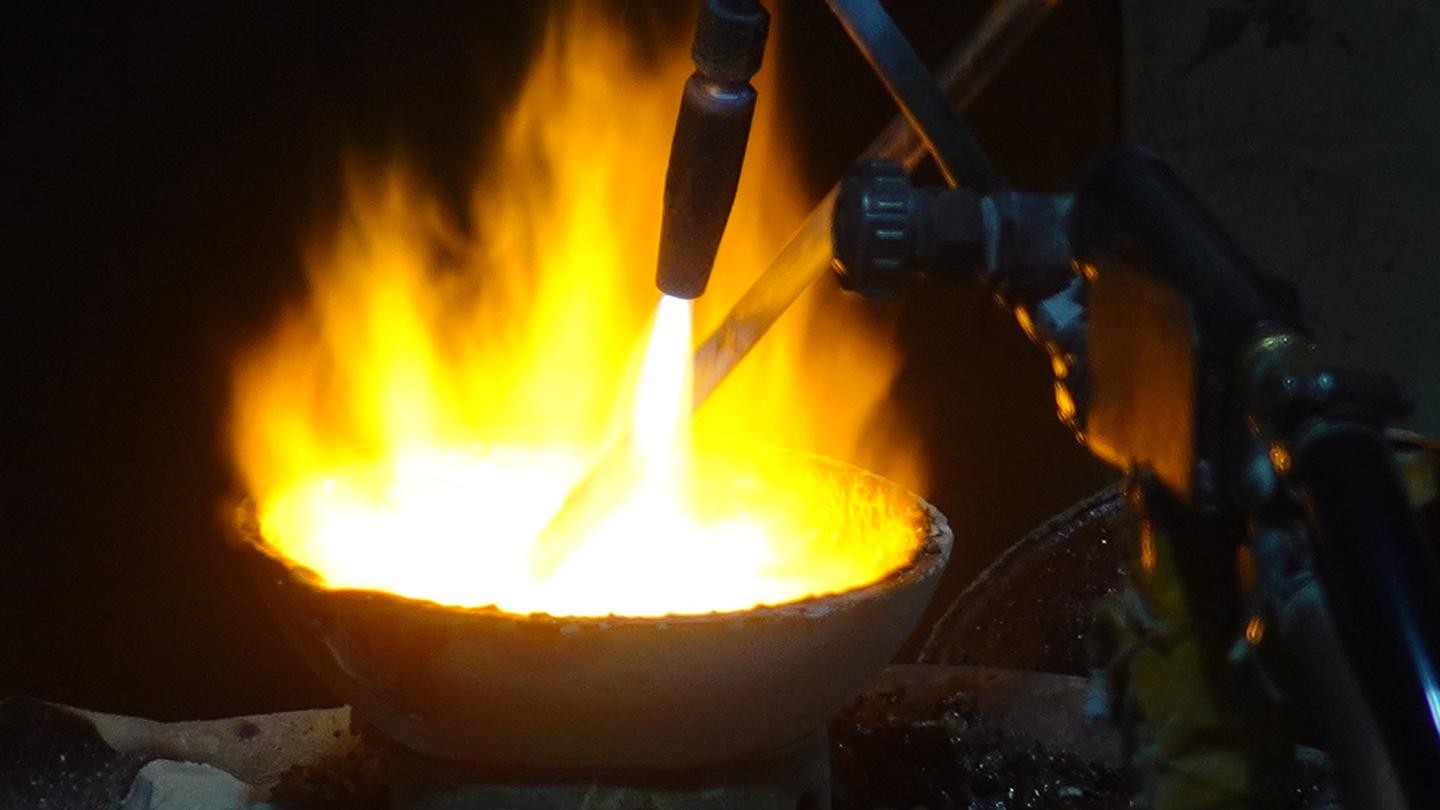
The approved wax tree is invested in plaster. The plaster sets, the wax is burnt out, and molten metal is poured into the cavity it leaves behind.
Temperature is controlled to the material: silver melts at about 961 °C, gold at about 1064 °C. Too hot and the metal oxidises; too cold and it does not fill the mould properly — which shows up much later as porosity or a hairline crack at a joint.
We also do not thin the metal below the design specification. Reducing weight is invisible in a photo and obvious in the hand: it is how a ring that should last for years ends up bending in months.
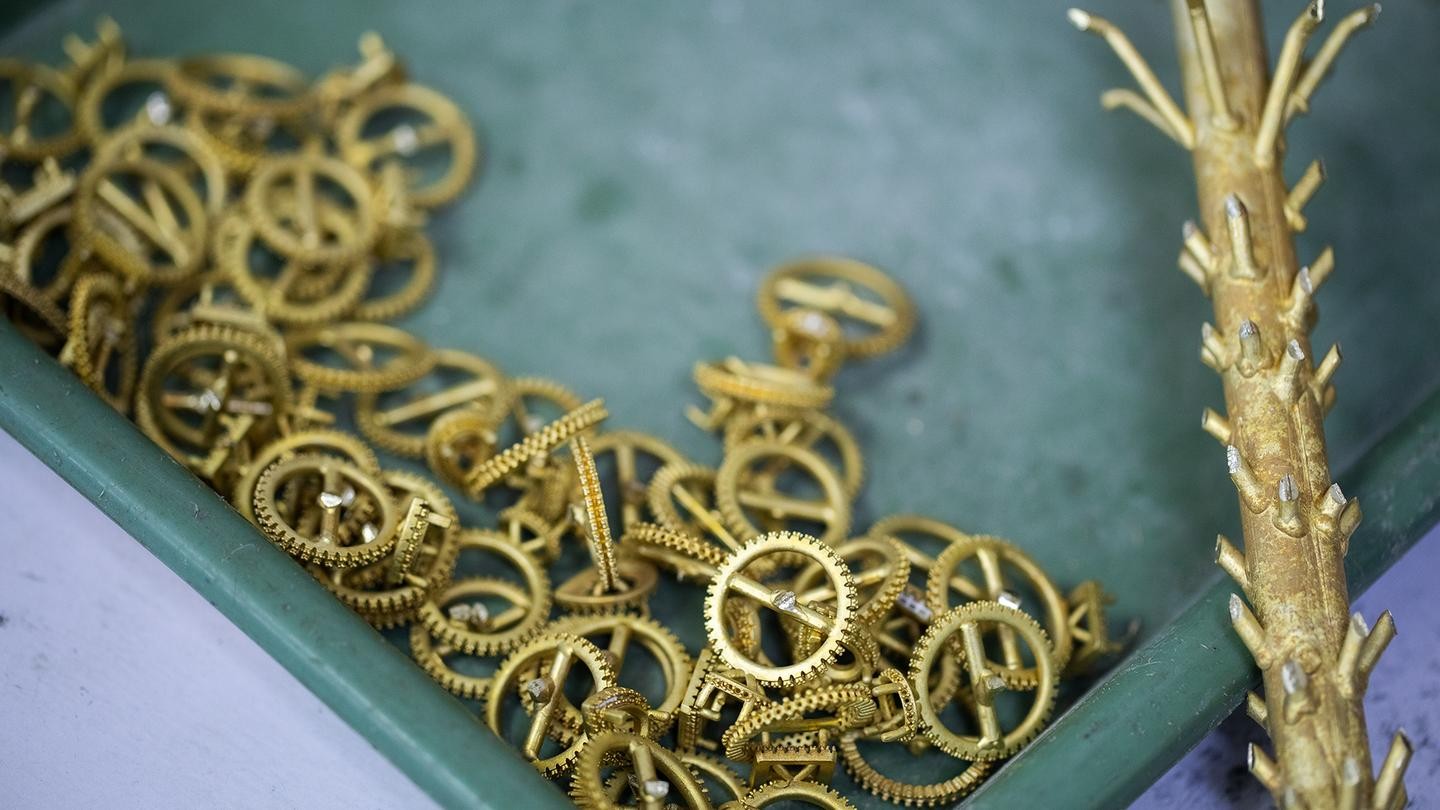
After casting, the tree is cut apart and each piece is cleaned of sprue and flash before finishing.
Step 4 — Polishing: the part you cannot check in a photograph
Polishing is the most labour-intensive stage and the hardest for a buyer to assess from images.
It runs in passes: a coarse abrasive to remove scratches and surface porosity, then progressively finer abrasives, then a polishing wheel for the final lustre.
What most people miss is that the hidden surfaces matter as much as the visible ones. The inside of a ring, the back of a clasp, the post of an earring — these are finished too. That is what makes the edges round instead of sharp, so nothing catches on clothing, nothing scrapes the skin, and nothing collects dirt against it.
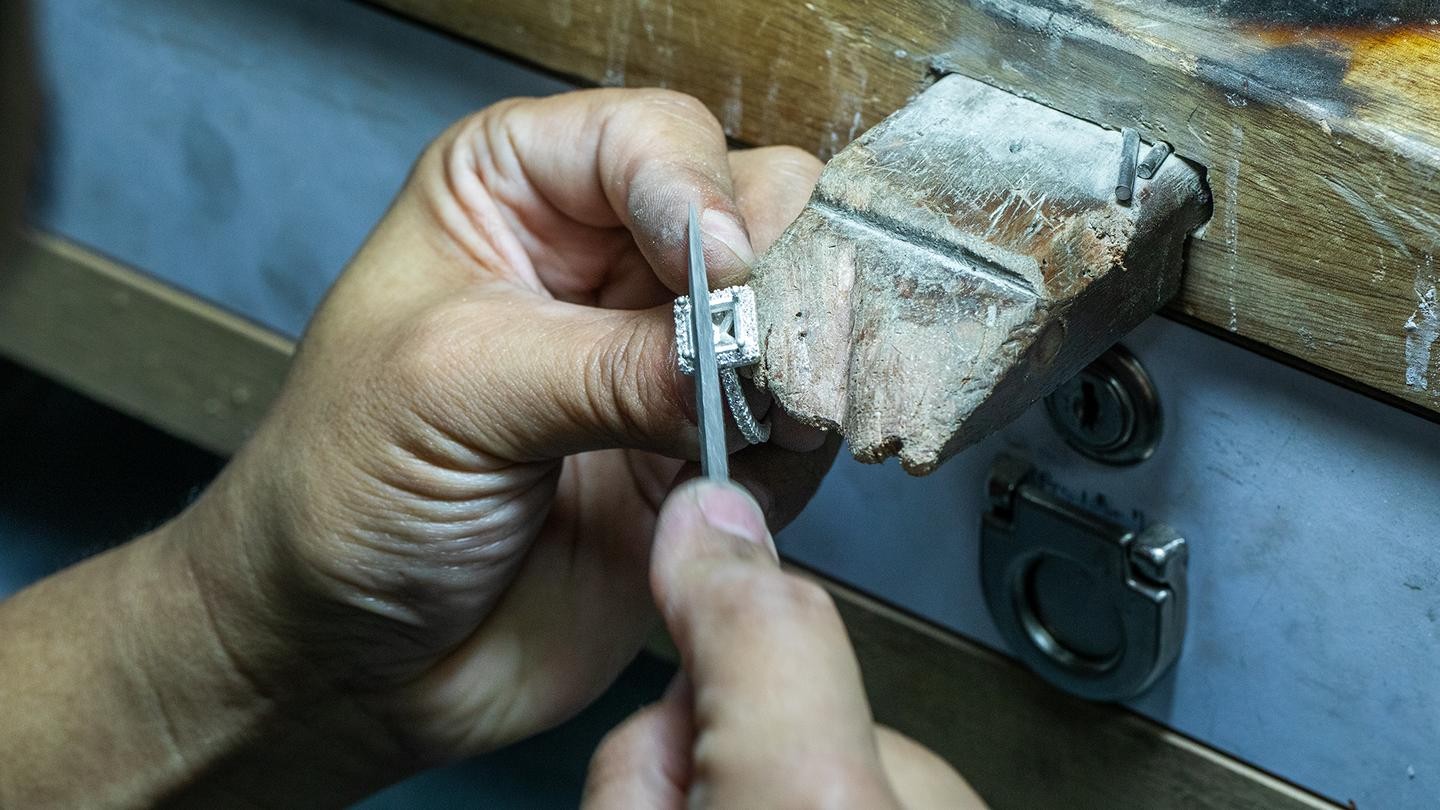
Step 5 — Setting, plating and antique finish
Depending on the design, the piece then goes through one or more of the following.
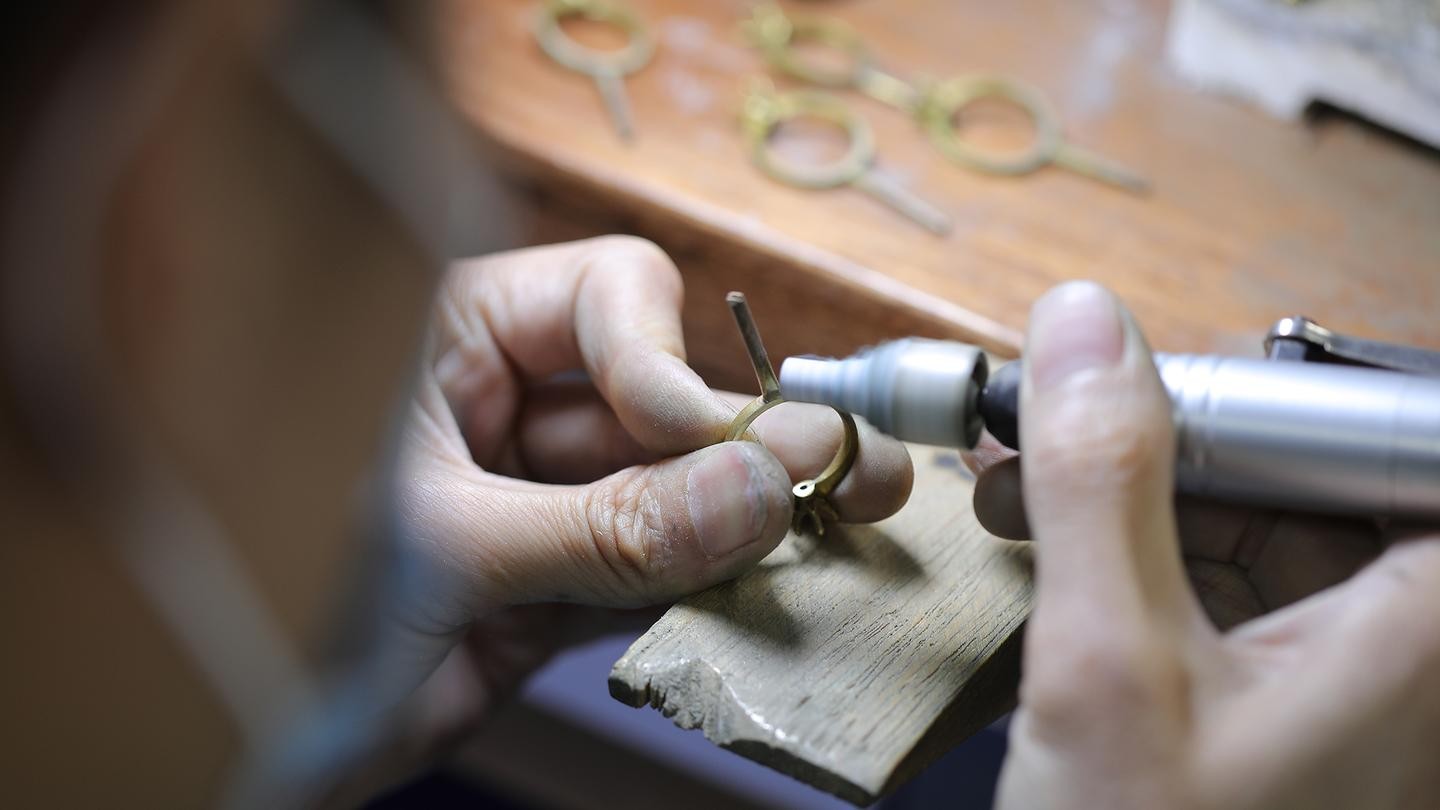
Stone setting. The setter works to the actual size and shape of each stone. Prongs end up even in length and spacing, sit tight against the stone without pinching it, and are burnished down so nothing moves. On pavé work, every stone is seated with no gaps, no missing stones and no glue. Each setting is checked before the piece moves on — a stone that moves is not a cosmetic issue, it is how stones get lost and orders get returned.
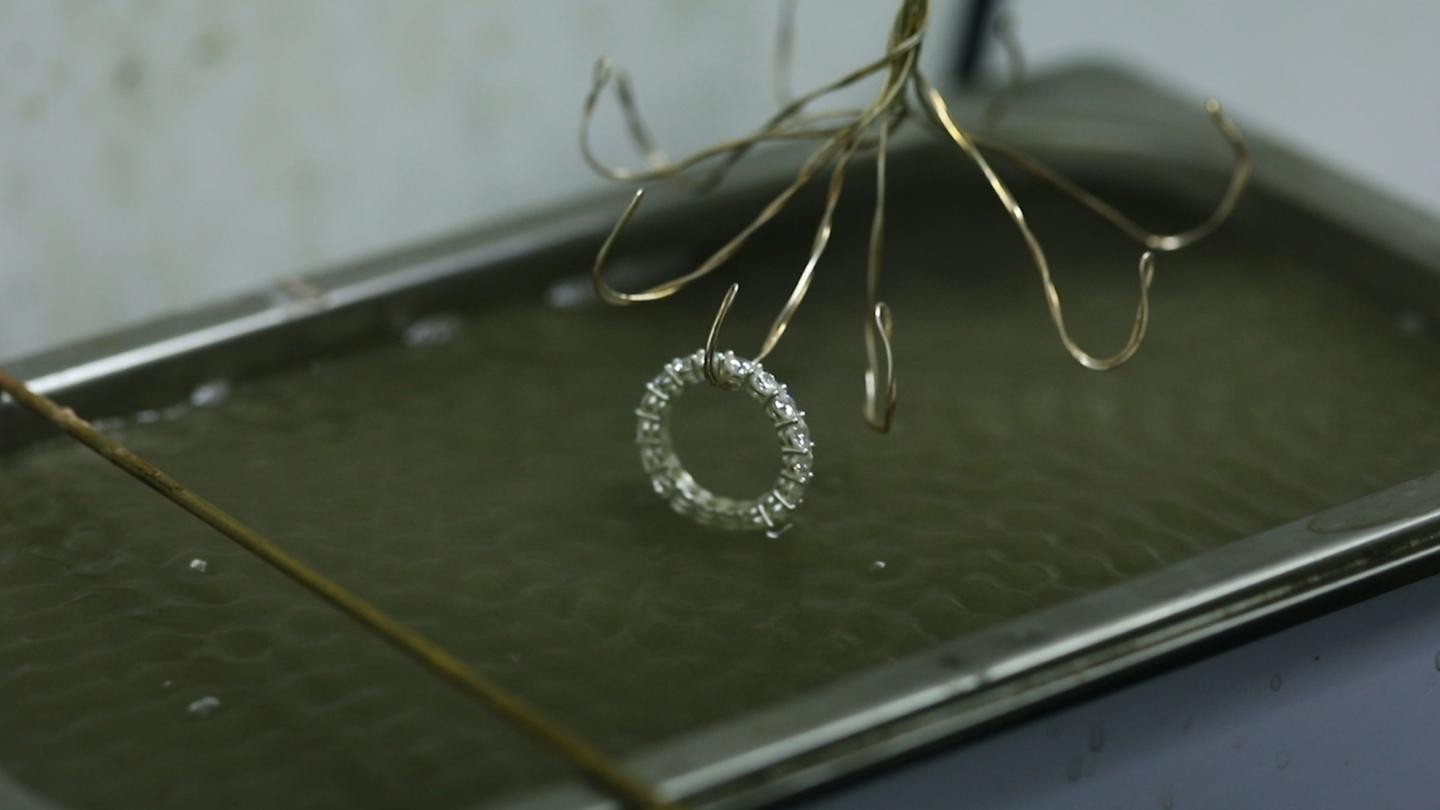
Plating. Silver and K-gold pieces are electroplated to slow tarnish and hold their colour. What separates a piece that still looks right after a year from one that fades in a season is the thickness of the layer and how evenly it is applied. Coverage is inspected piece by piece after plating.
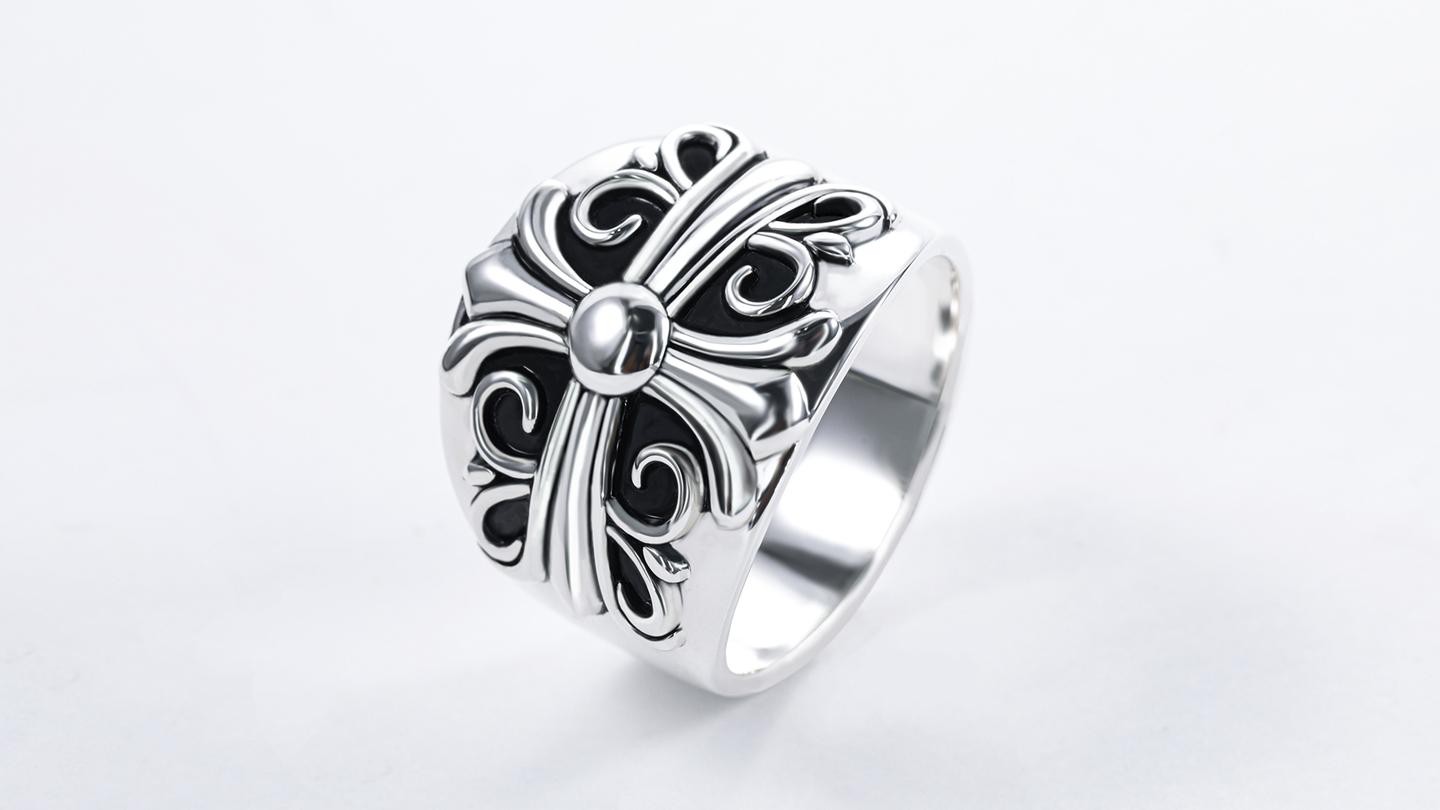
Antique / oxidised finish. For vintage and “old silver” designs, oxidation is applied evenly so it reads as depth rather than dirt, then sealed so it does not rub off or transfer, then re-polished so the pattern stands out again.
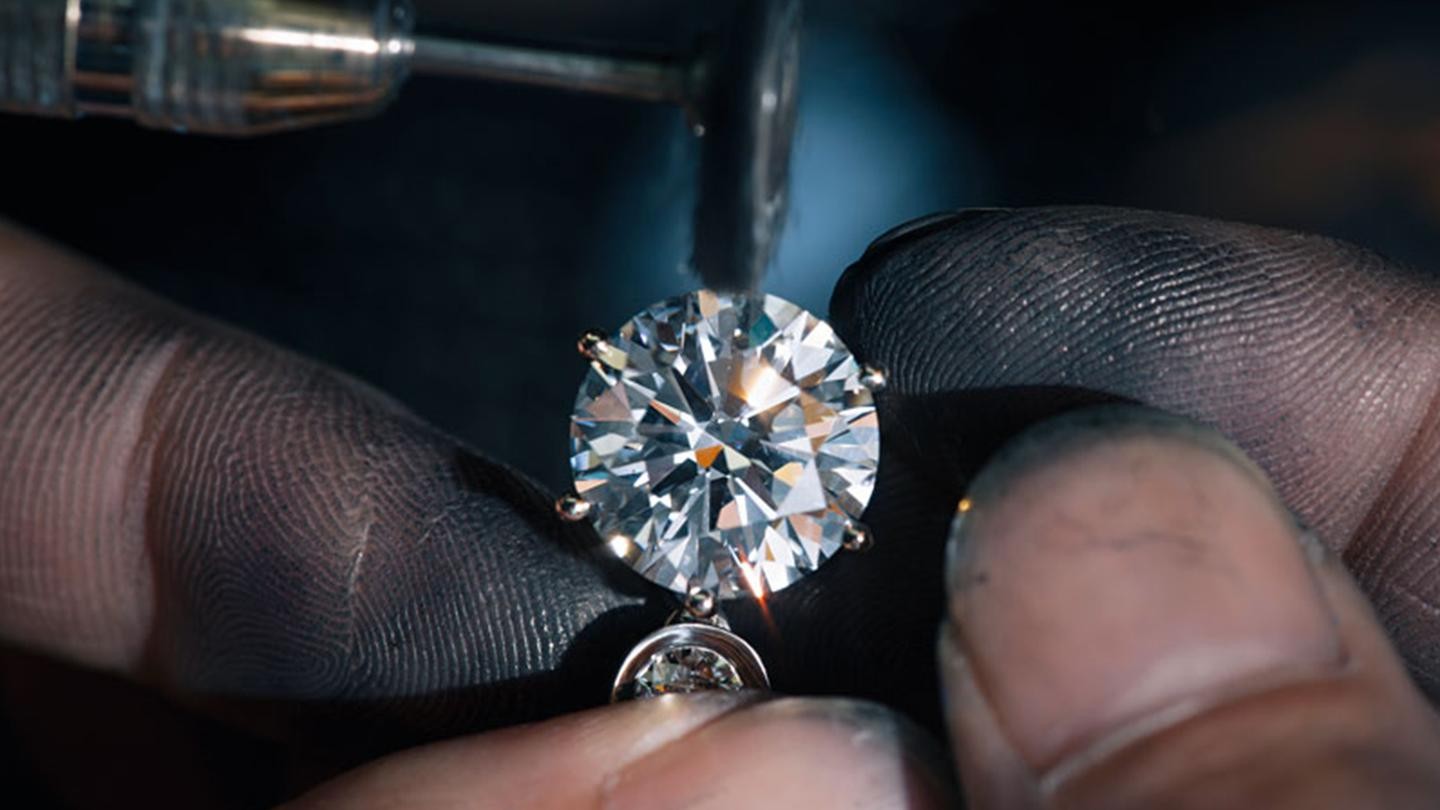
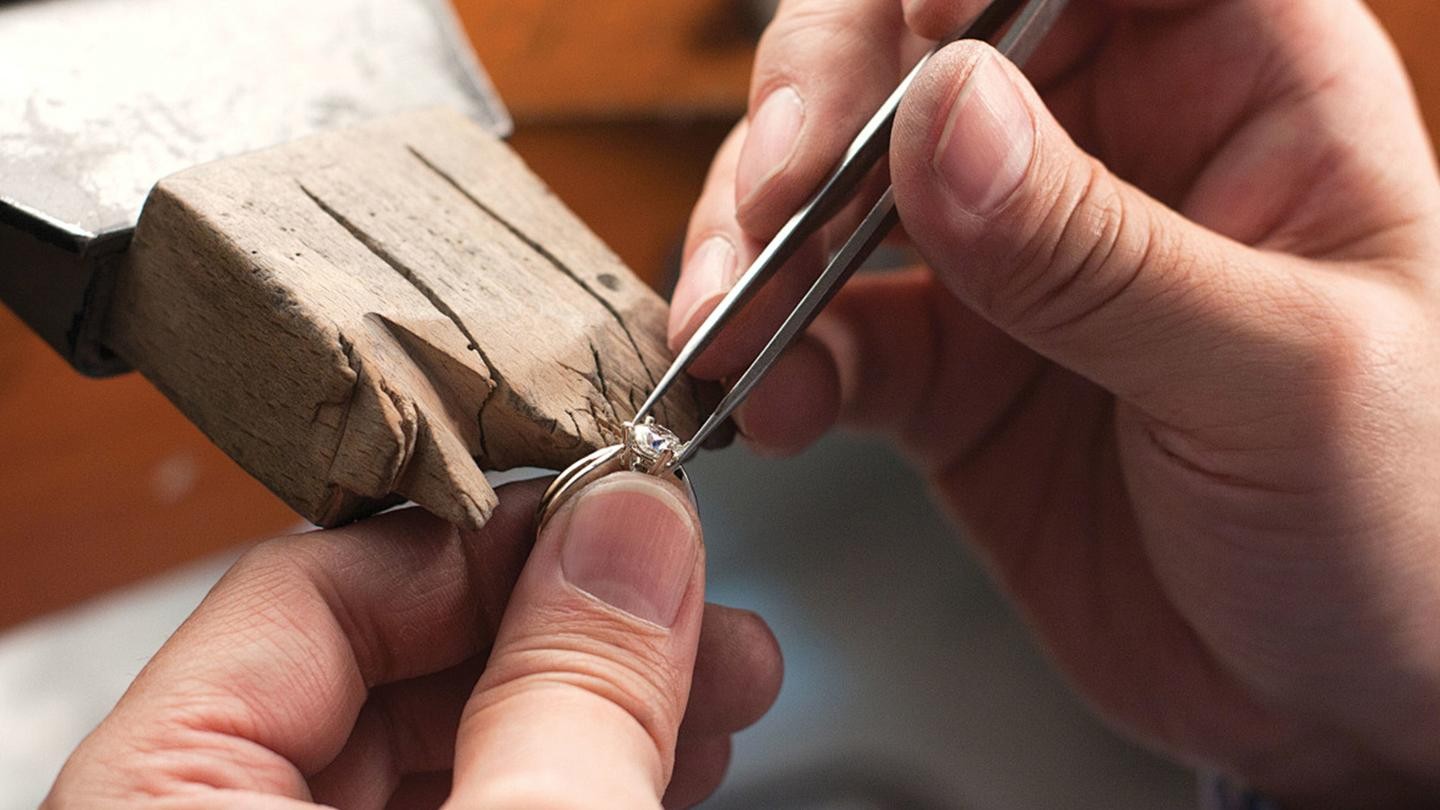
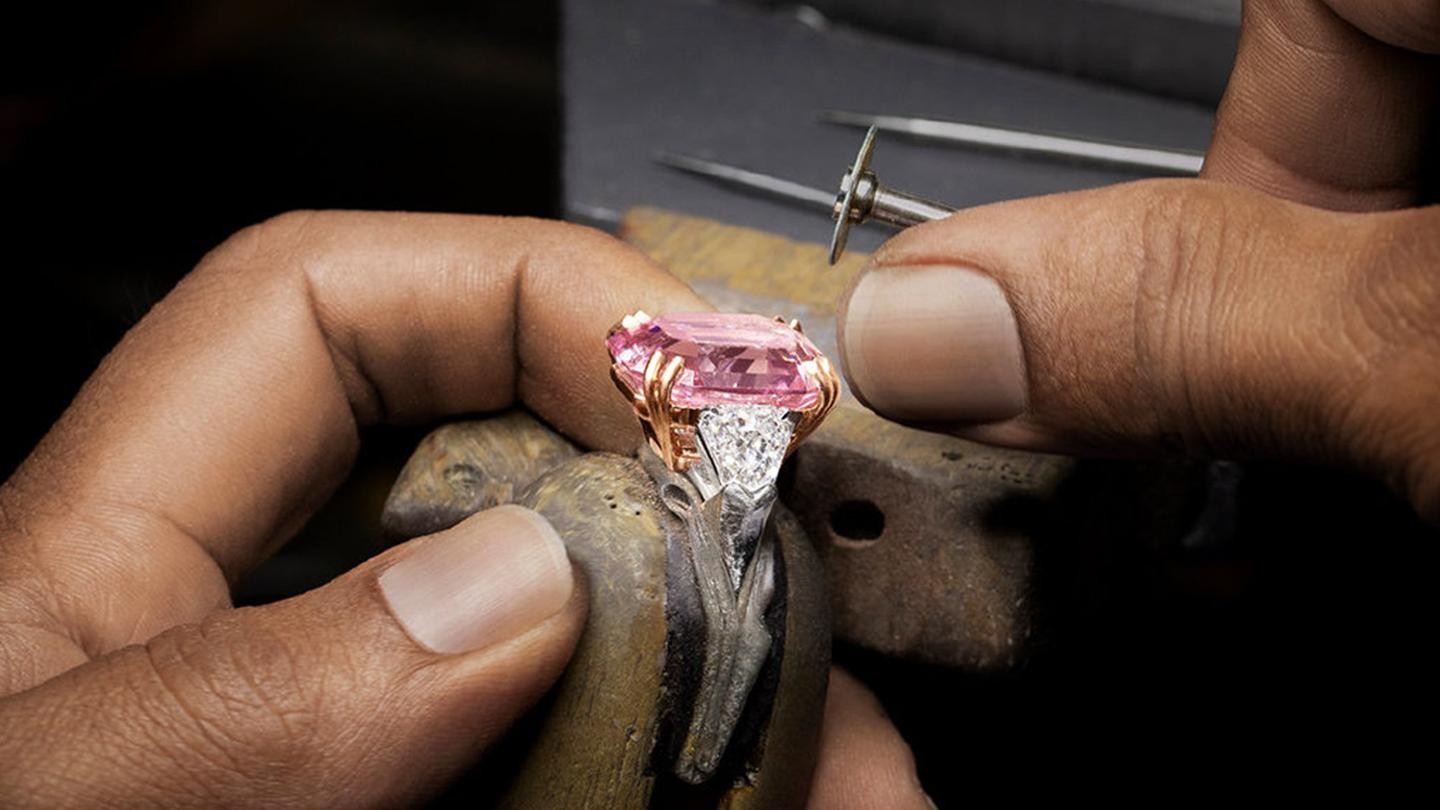
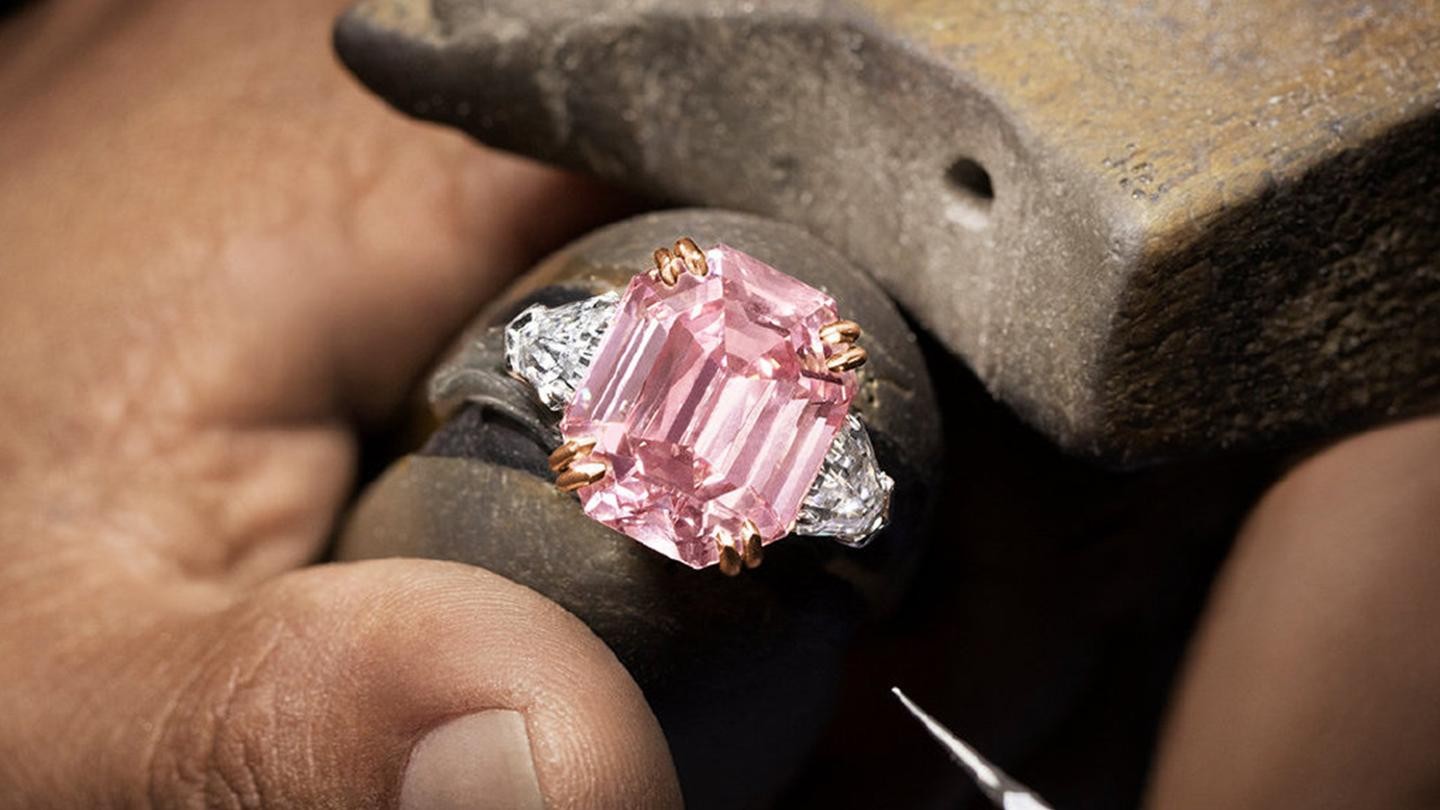
Step 6 — Quality control: two checkpoints, not one
QC runs at two levels.
In-process. After each stage, pieces are sampled and checked. After setting — any loose stones? After plating — any bare patches or colour variation? After polishing — any scratches? Anything that fails goes back before it can enter the next stage.
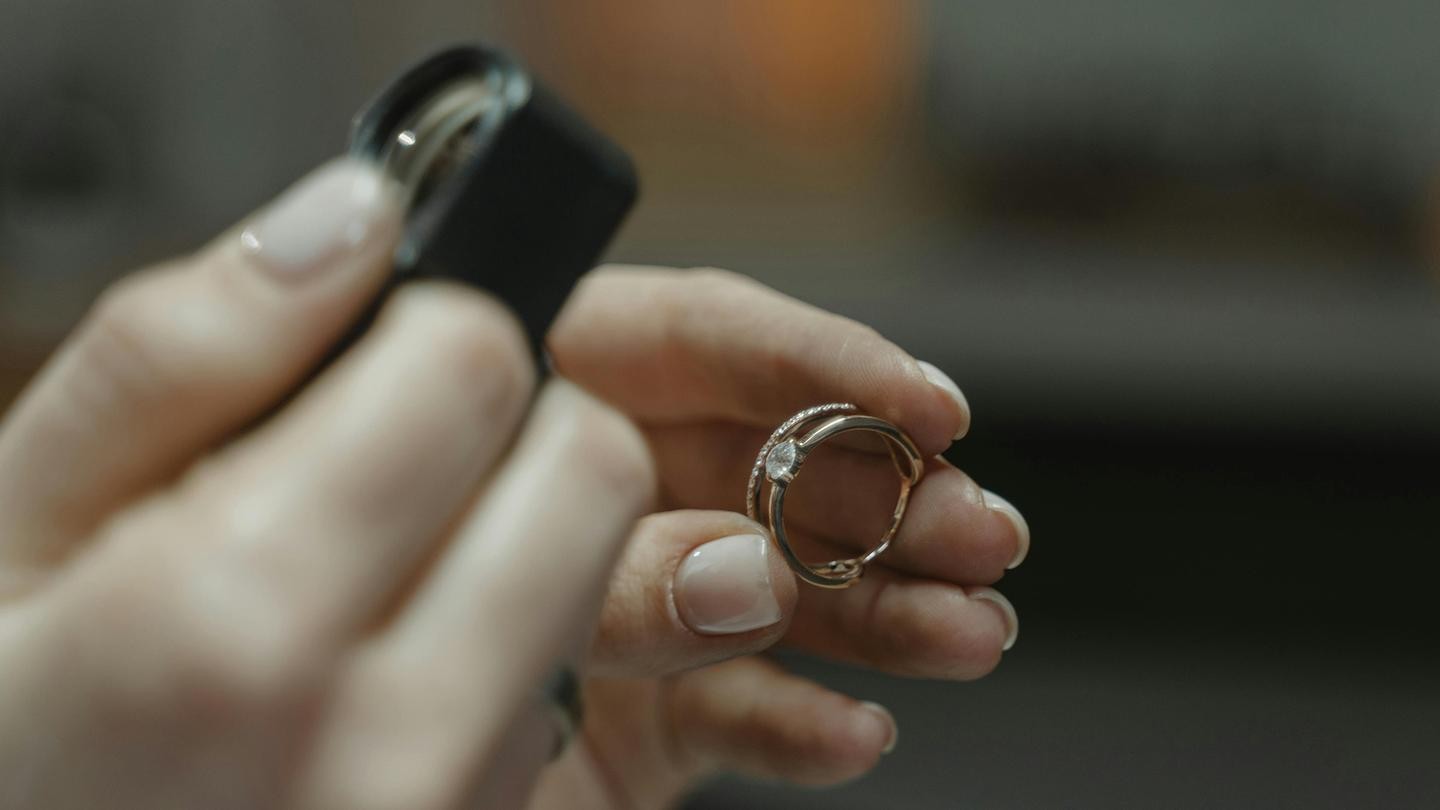
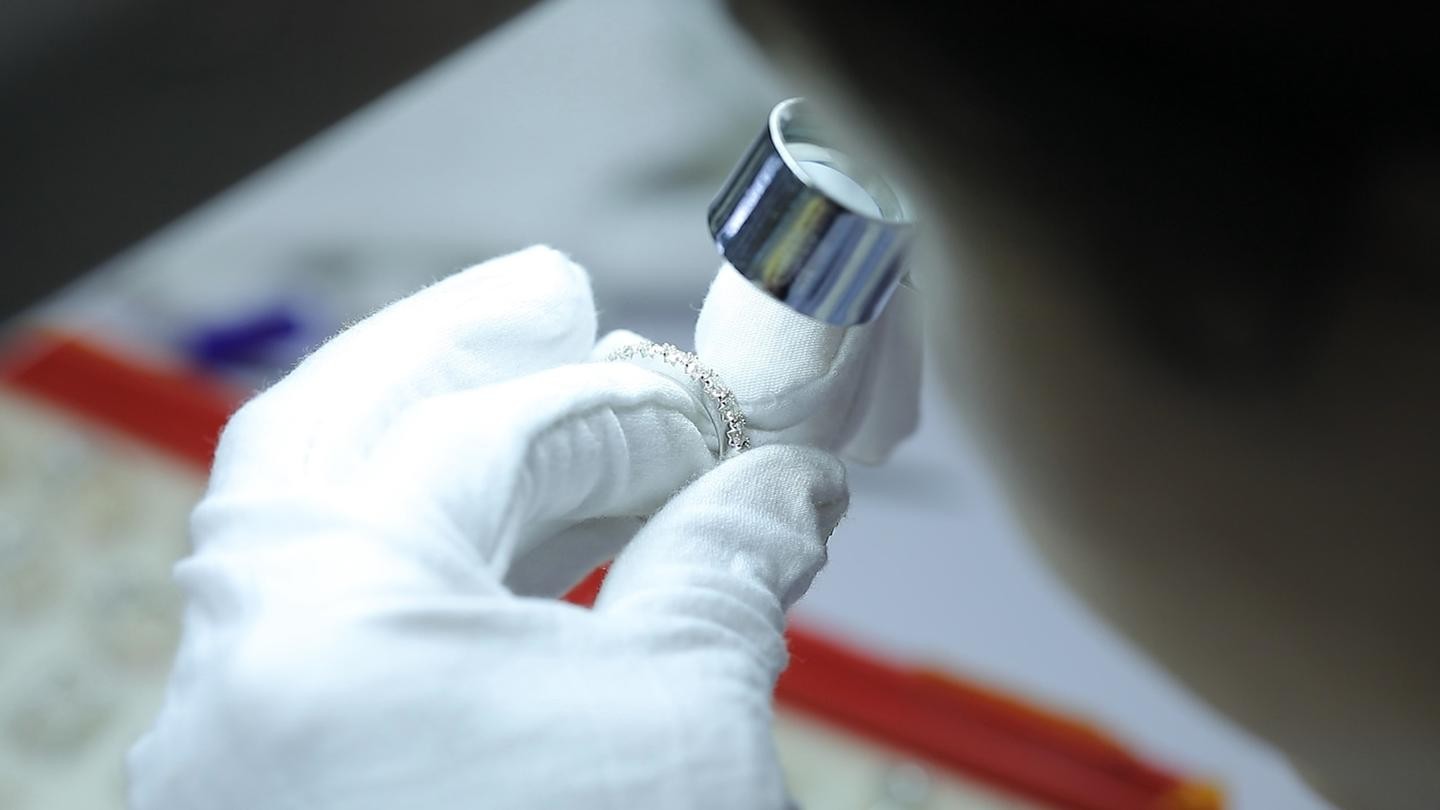
Final. Every finished piece is inspected individually for surface defects, workmanship and dimensional accuracy against the approved sample. Alongside that, material purity and restricted-element content are sampled and tested so the order meets the applicable standard, and test reports can be provided on request.
This is the stage that cheap production skips — and it is why bargain jewelry discolours in a week, sheds stones, or arrives with sizes that do not match. The saving is real. So is the after-sales cost.
Step 7 — Packing and dispatch
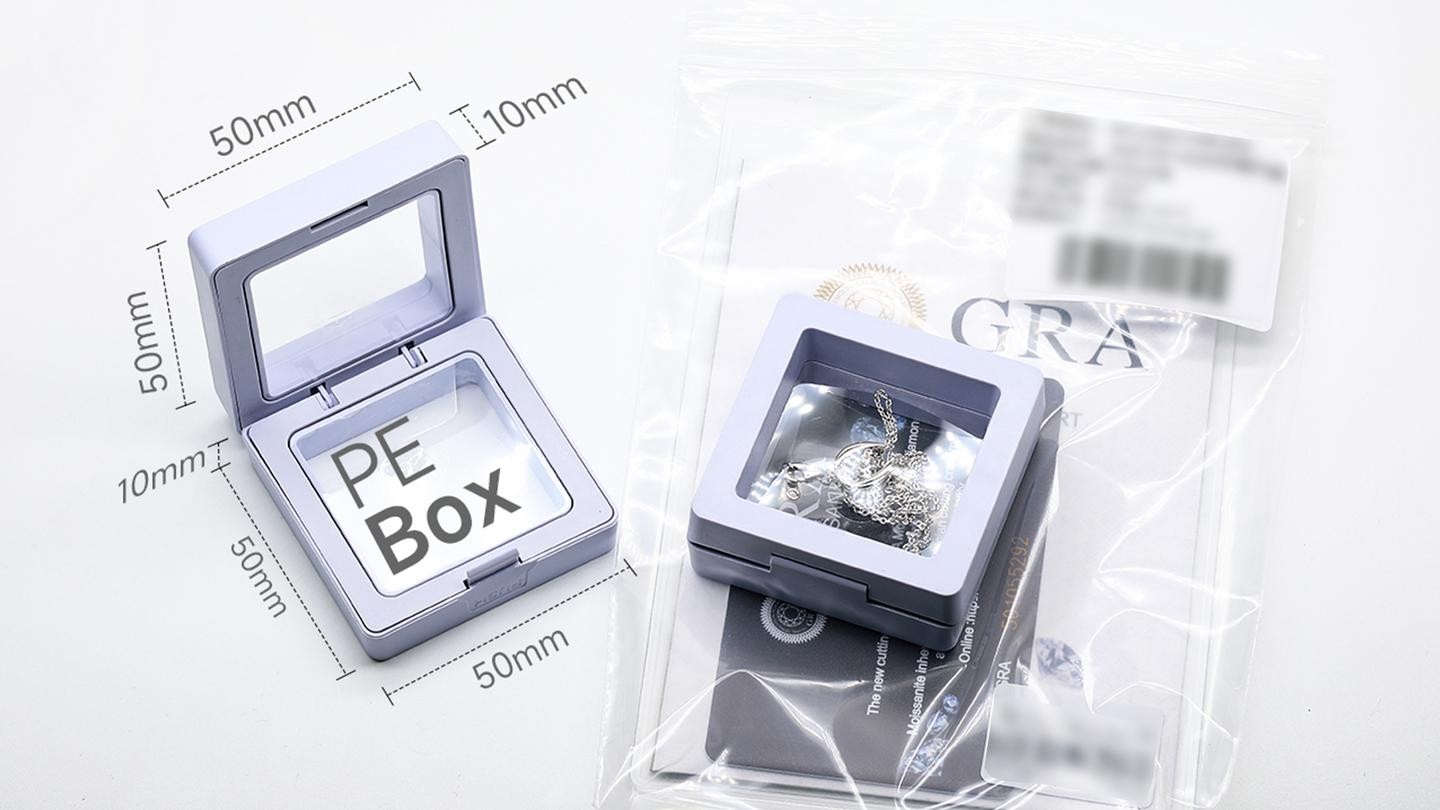
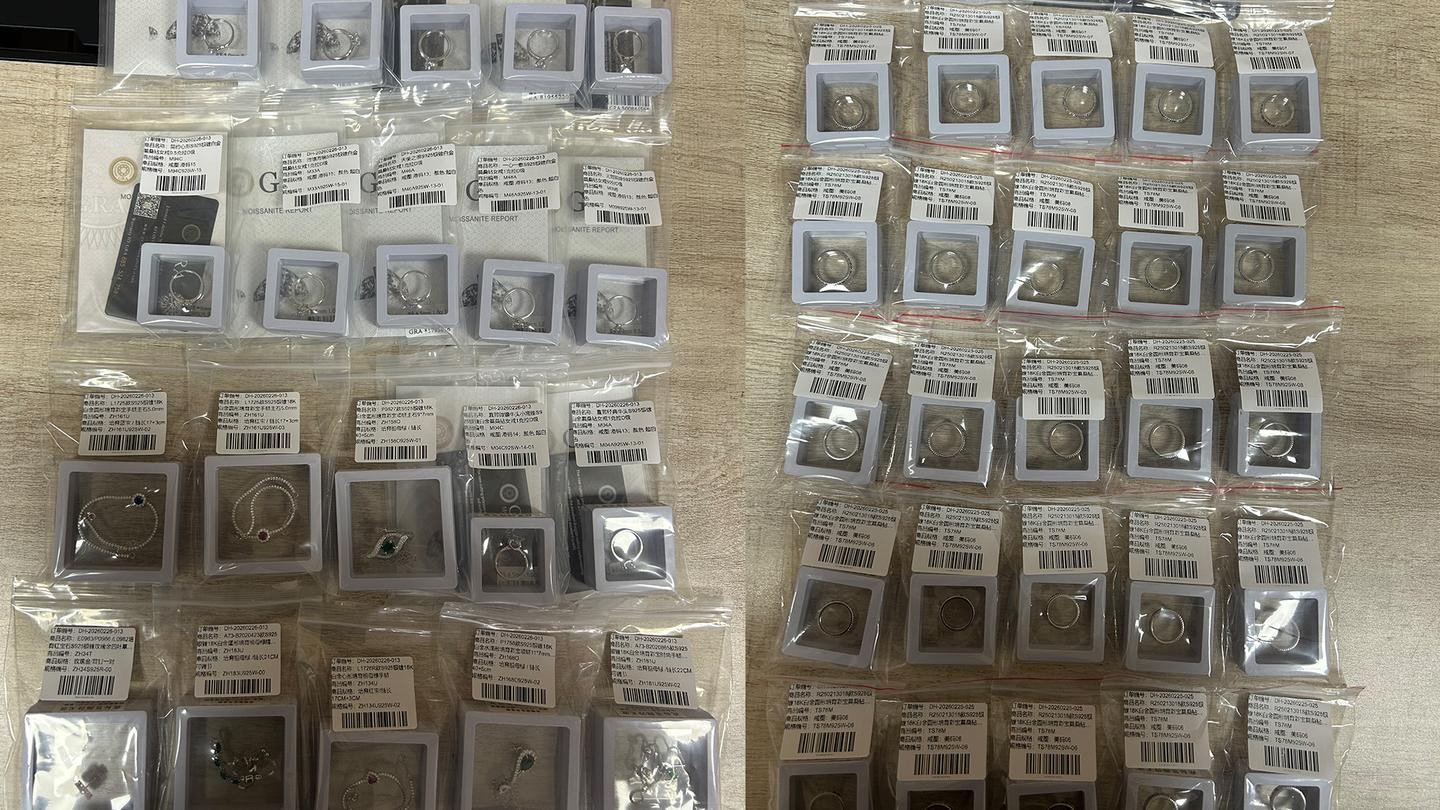
Pieces that pass QC get a final check for scratches and marks, then go into individual PE bags or boxes so they cannot rub against each other in transit.
Certificates are packed with the order, so a wholesaler can pass them straight to the end customer.
Quantities and quality are reconciled once more before the cartons are sealed and shipped.
What This Means If You Are Buying
The price gap between two similar-looking pieces is almost never branding. It is:
- Metal that is genuinely the grade it claims
- A mould and a test cast that were done properly
- Finishing that reached the surfaces you cannot see
- Plating thick enough and even enough to last
- QC that removed the bad units instead of packing them
Those are five things you can ask any supplier for. A factory can show you the process. A trader can only show you a catalogue.
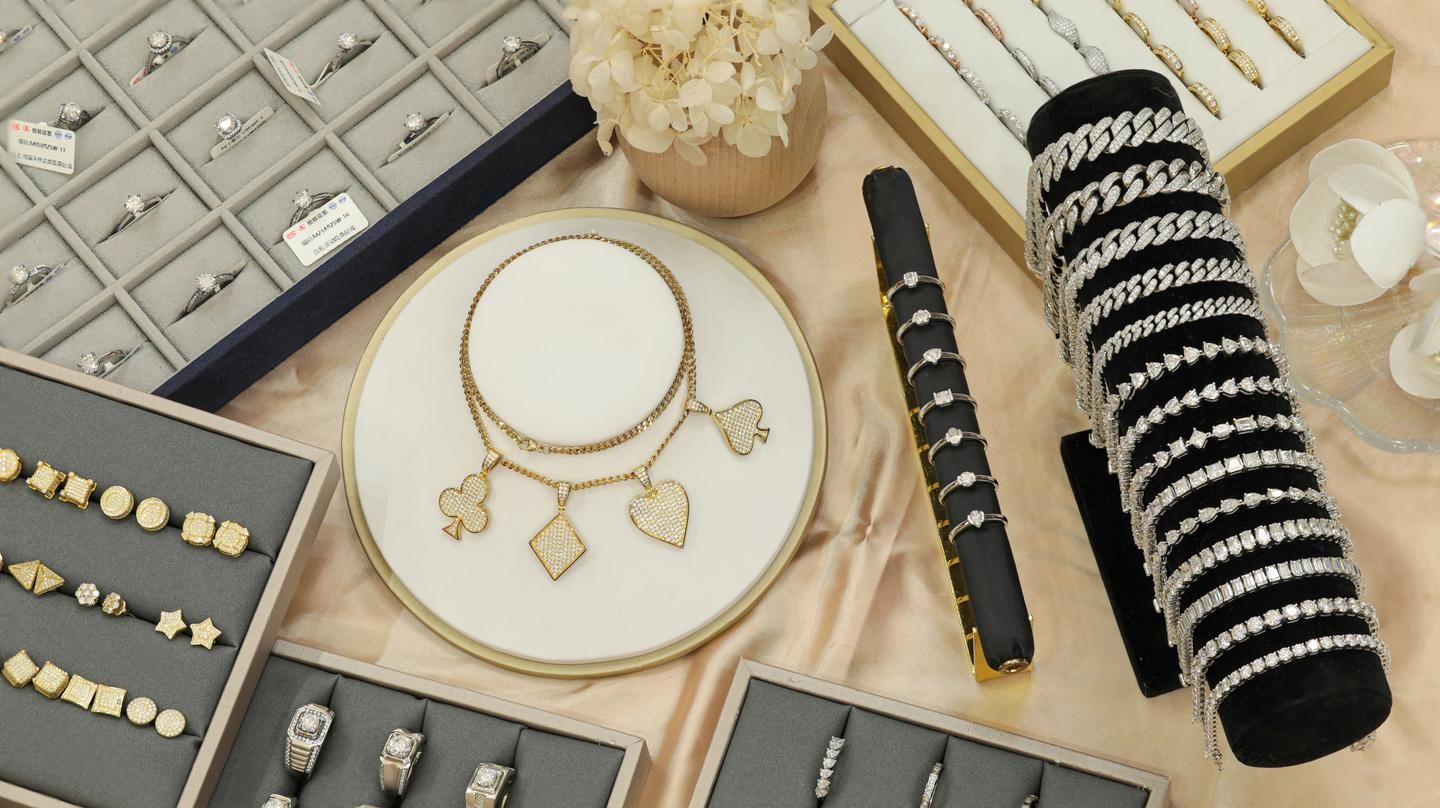
We cast, set and finish S925 sterling silver jewelry in our own workshop in Guangdong — 2,000 m², 46 staff, up to 4,000 pieces a day, sampling in 5–7 days. Send us a drawing, a photo or an existing sample, and we will quote it.
See also: wholesale 925 sterling silver jewelry · all products · custom OEM/ODM
Wholesale pricing
Tell us what you need priced
Send the design, the quantity and the country you sell into. We reply with a unit price and a lead time within one working day.