
Buyers do not buy trends, they buy pieces they can reorder profitably. Here’s what a wholesale buyer should stock in moissanite and 925 silver for 2027.
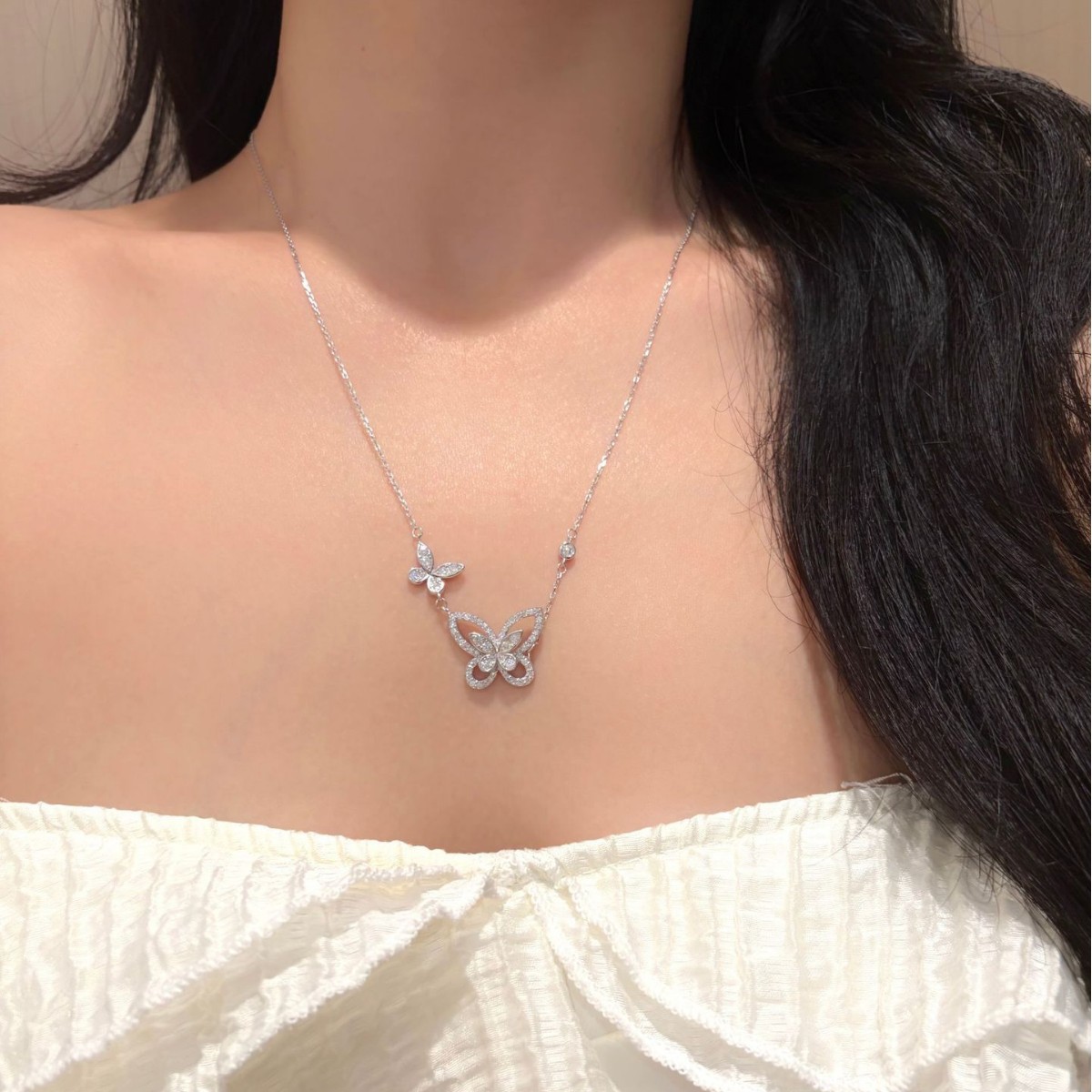
Every trend list published this quarter was written for a retailer choosing what to put in a window. This one is written for the person who has to place the production order, hold the price, and justify the quantity.
So the list below is filtered twice. First by what is actually moving into 2027 assortments. Second by whether a manufacturer can hold quality at volume — because a trend you cannot repeat is not a trend you can sell.
The 2027 baseline: moissanite is no longer a diamond alternative
For about a decade moissanite sold on a single argument: it looks like a diamond and costs a fraction of one. That argument is now the weakest thing you can say about it.
GLEEI’s 2026 industry analysis puts the global moissanite market at roughly $42.9 billion with growth of about 8% a year, and reports that around 67% of jewellers now carry moissanite as permanent inventory rather than a novelty line. In the same analysis, around 66% of US jewellery buyers say they would consider a lab-created stone, and 52% say they would choose moissanite for bridal pieces. Treat those as third-party estimates rather than audited figures, but they all point the same way.
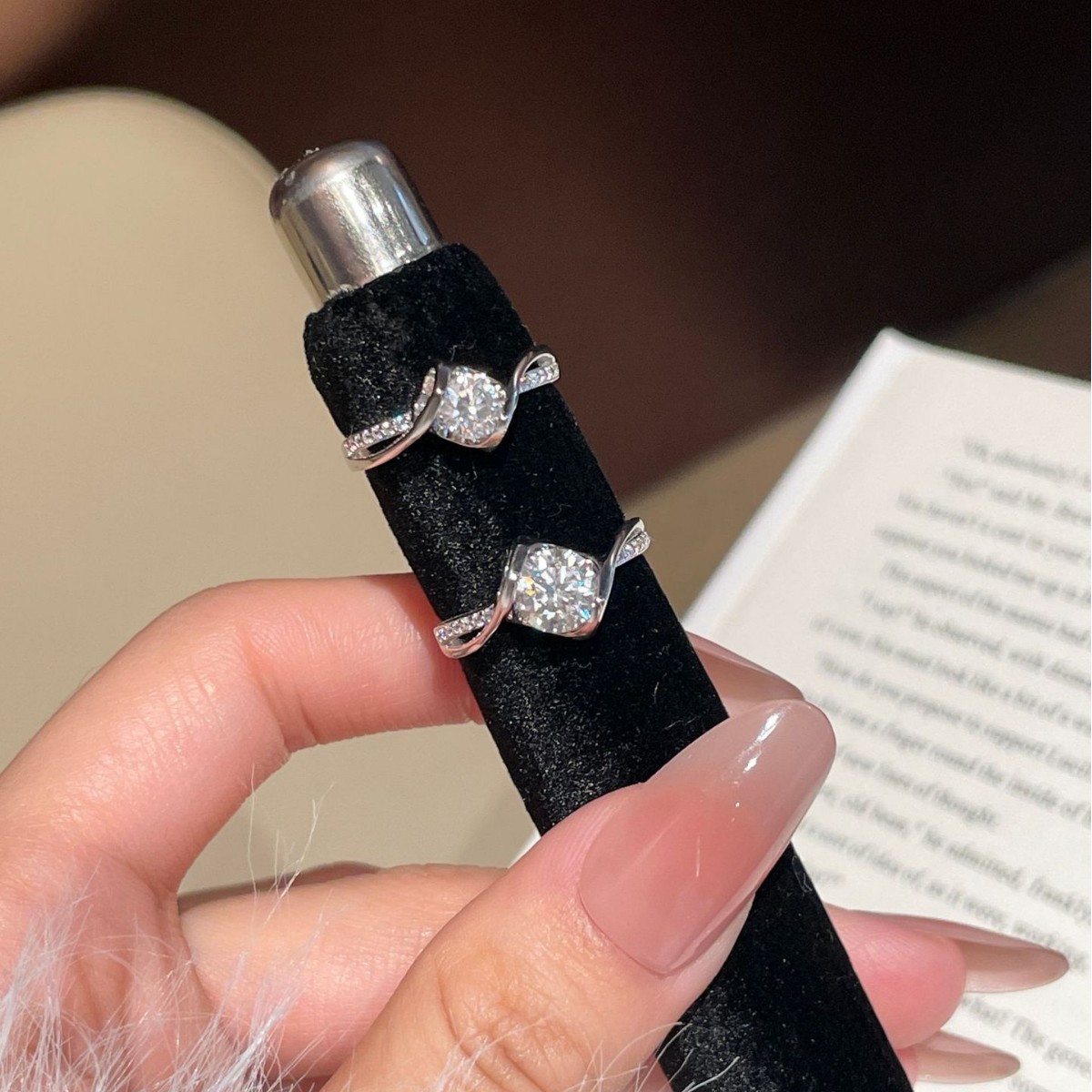
The practical consequence is that your comparison set changed. When you priced moissanite against diamond, every conversation was about saving money. When you price moissanite against other moissanite, the conversation moves to colour, clarity, cut and setting — the same conversation fine jewellery has always had. That is a better conversation, and a harder one, because it means the stone spec has to be written down instead of implied.
What changed on the buy side
Three assumptions worth building into a 2027 line sheet. First, D–E colour and VVS clarity are now the wholesale default rather than an upgrade — a quotation that does not state colour and clarity cannot be compared with one that does. Second, buyers are asking about optical performance by name: moissanite has a refractive index of 2.65–2.69 against diamond’s 2.42, and roughly double the dispersion, which is why it throws more coloured fire under shop lighting.
Third, and most often forgotten, hardness belongs in your after-sales budget. At 9.25 on the Mohs scale a moissanite stone will not scratch in normal wear. That is the cheapest durability claim you can hand a customer, and it costs nothing to state on a listing.
Trend 1 — Signature pendants: keys, clovers and personal symbols
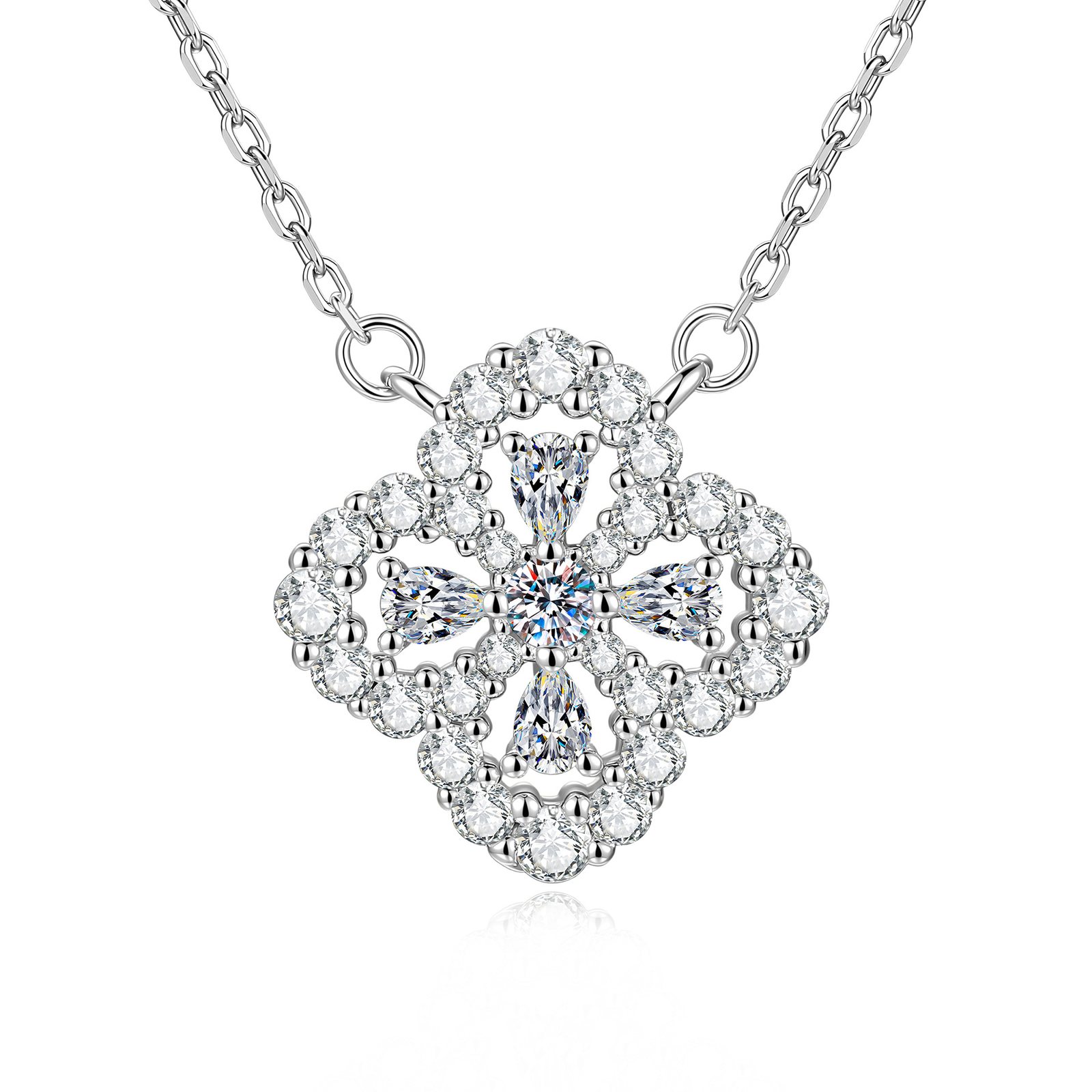
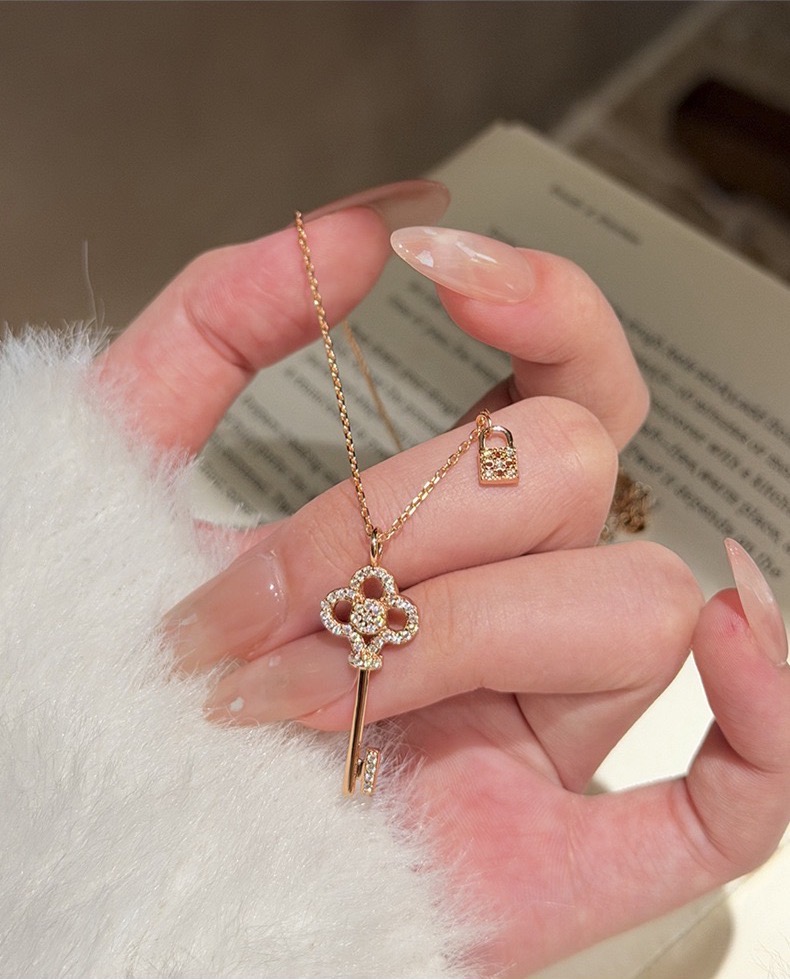
The most reliable repeat-order category going into 2027 is the small symbolic pendant, and the reason is economic rather than aesthetic. A clover, a key, a lock or a tree carries a meaning the customer supplies themselves. That means you sell the same metal and the same stones at a higher perceived value, without adding manufacturing steps.
For a wholesale buyer the useful detail is that these designs are forgiving on quantity. A symbolic pendant is usually one cast body with a modest stone count, so a 30-piece custom run stays affordable and a stock reorder moves quickly. Chain length becomes your variation: a single pendant body covers 40 cm, 45 cm and 50 cm listings with no new tooling.
What to lock in the specification
- Pendant dimensions in millimetres, stated for the body only and not including the bail
- The chain lengths you will actually stock, plus the clasp type — lobster, spring ring or box
- Plating: rhodium for a white finish, 14K or 18K gold for a warm finish, and whether the plating covers the whole piece or a contrast area only
- Whether the piece is struck with the S925 hallmark, and whether your own brand mark sits beside it
One warning that applies to every pendant on this list: ask for the pendant weight in grams separately from the chain weight. A supplier quoting a combined figure has left themselves room to ship a thinner body than the sample you approved.
Trend 2 — Mixed metal is now a default, not a novelty
Silver-and-gold pieces used to be a stylist’s niche. In 2027 they are a volume category, because customers no longer feel obliged to pick one metal and stay loyal to it. GLEEI’s analysis puts fashion buyers favouring mixed metal at around a third of the market, and the styling reason is simple: a warm gold accent against cool silver photographs better than either metal on its own.
Manufacturing decides whether this trend is profitable. The way to build a two-tone look without a two-tone cost is to cast the whole piece in solid 925 sterling silver and plate only the accent area in gold — a clover head, a charm, a bezel. That keeps one casting, one polishing pass and one quality-control path, so your unit cost stays in the silver range while the retail story reads as two-tone.
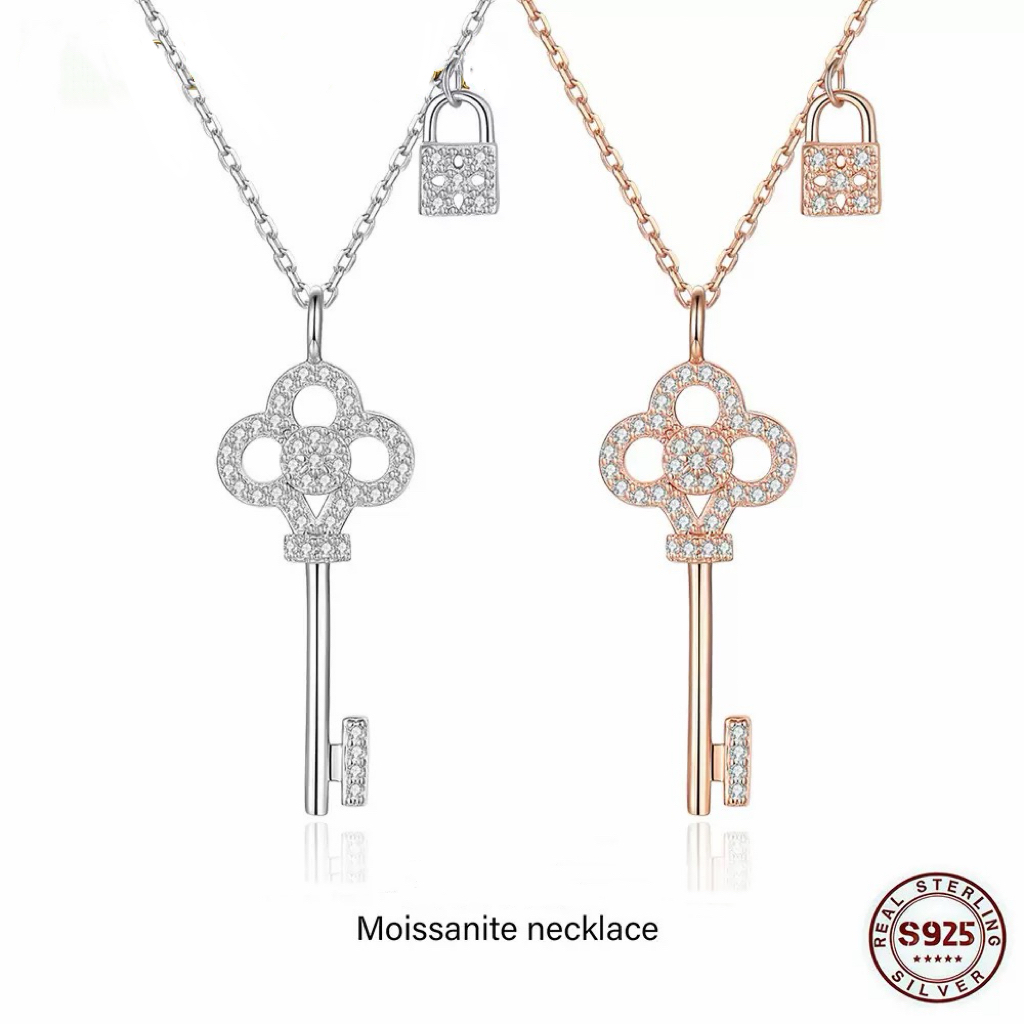
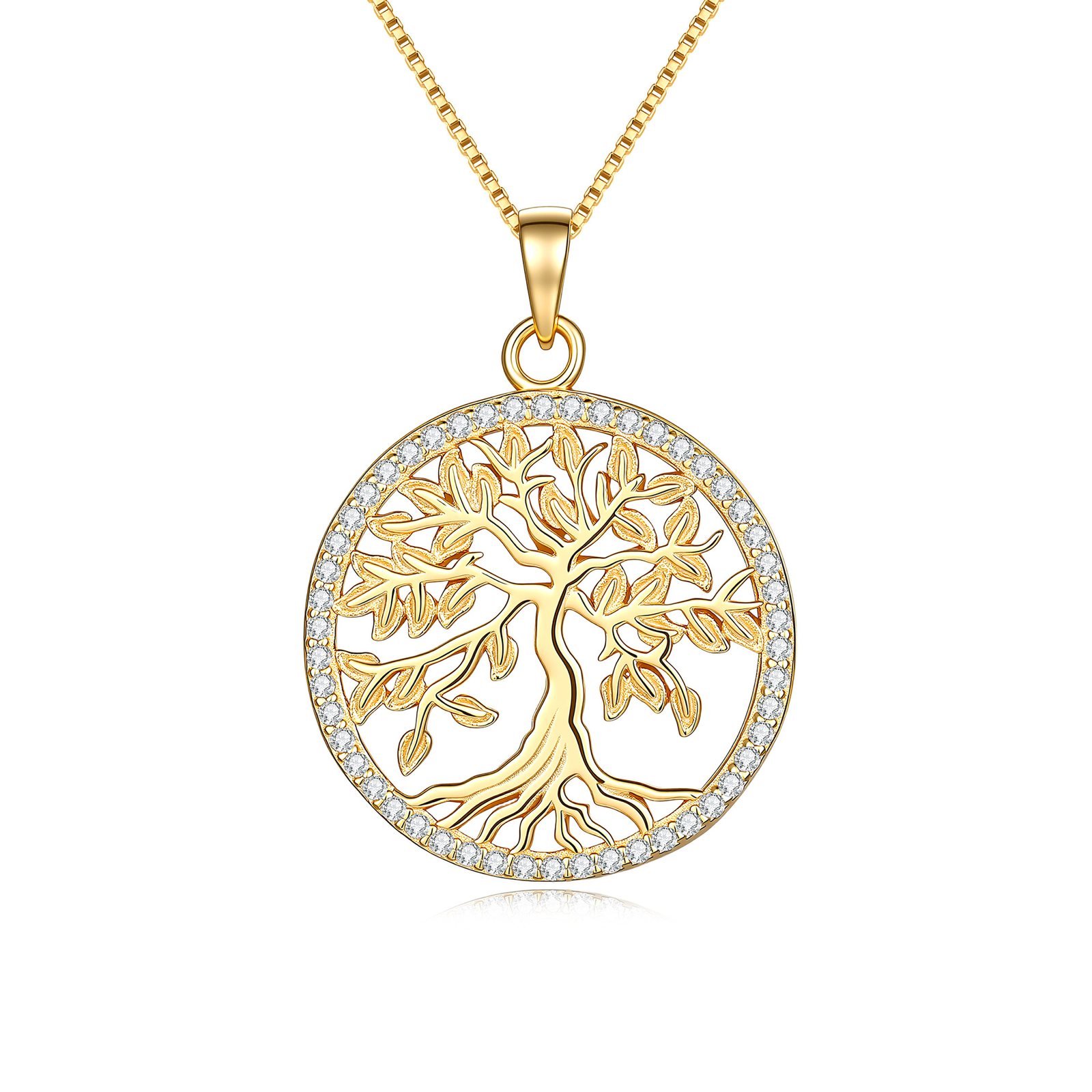
Two specification notes. Gold plating wears first at the high points — the clasp, the ring shank, the edges of a pendant — so state the plating thickness you expect and ask how adhesion is tested. And if you sell into the EU, confirm the plating bath is nickel-free. Nickel release is the most common compliance failure on plated silver, and it is the kind of problem that only appears once your stock is already in the destination country.
Trend 3 — The tennis line keeps widening
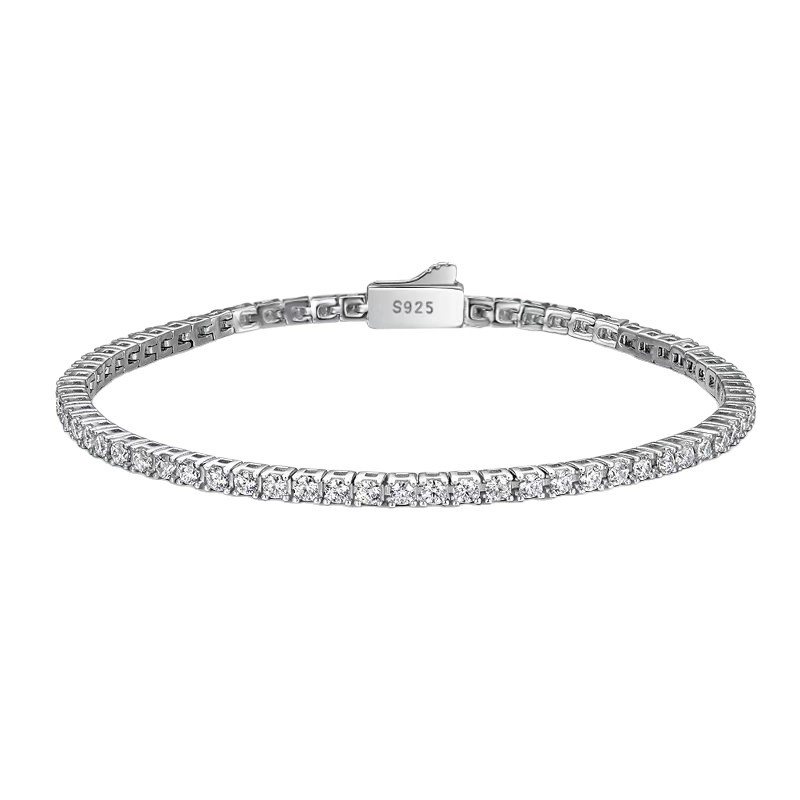
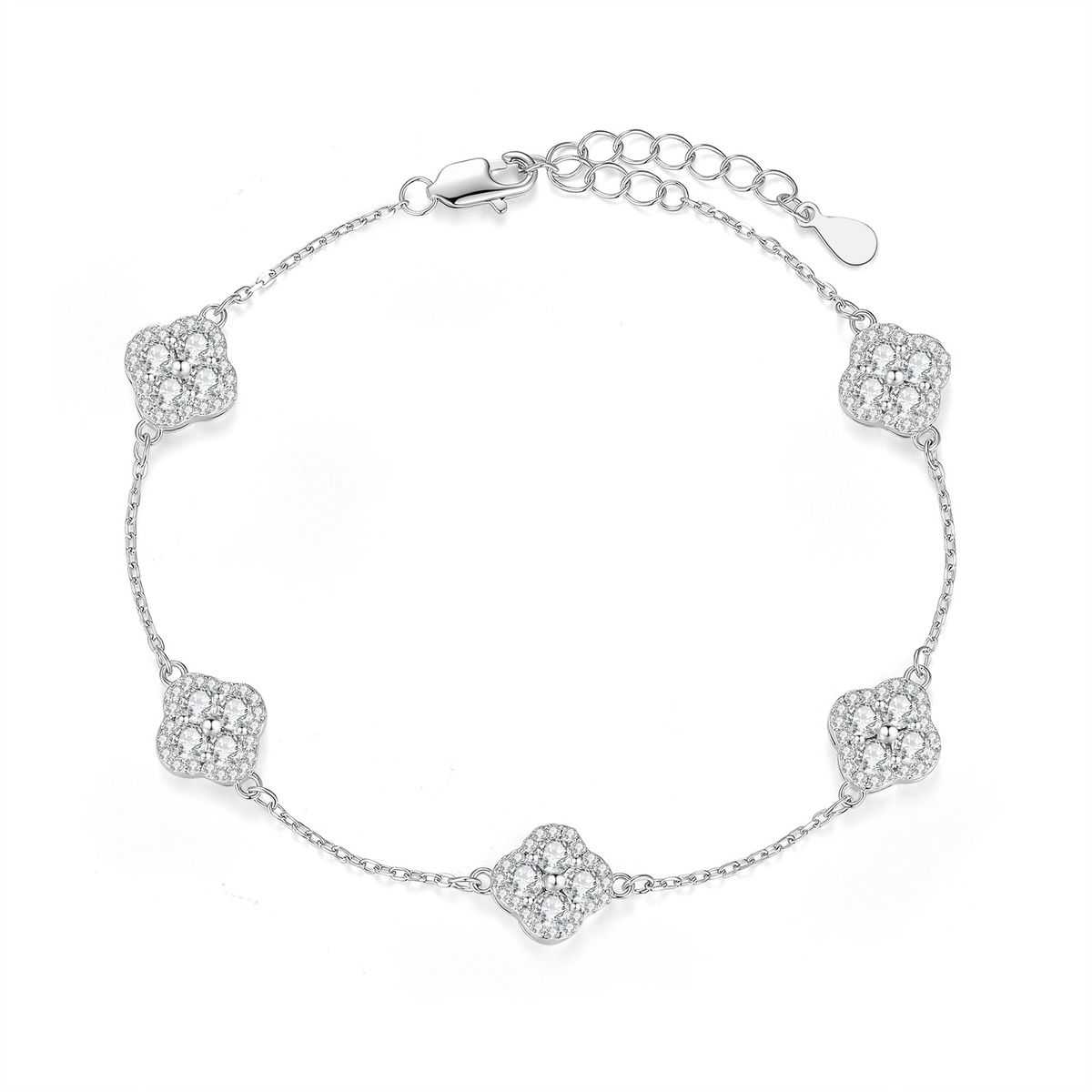
The tennis bracelet is no longer a product. It is a format. The stones-per-inch logic that made the bracelet a staple is being applied to necklaces, anklets and rings, and it sells for a reason that has nothing to do with fashion: the design is easy to describe, easy to photograph and easy to size.
For a wholesale buyer the tennis format has one very practical advantage — it is the most size-tolerant category in the case. A pendant lives or dies on chain length. A ring lives or dies on size. A tennis bracelet with a two-centimetre extender covers most of your customers from a single SKU. If your goal for 2027 is fewer variants with more depth, this is where to consolidate.
Buy the clasp, not just the stones
The failure point on a tennis line is almost never the stone. It is the clasp. Ask for the clasp type in writing — a box clasp with a safety catch holds better than a single fold-over — and ask what the piece is rated for in daily wear. A bracelet that opens and drops is a return, a review and a lost reorder, all from a component that costs cents.
Trend 4 — Sculptural silhouettes over flat settings
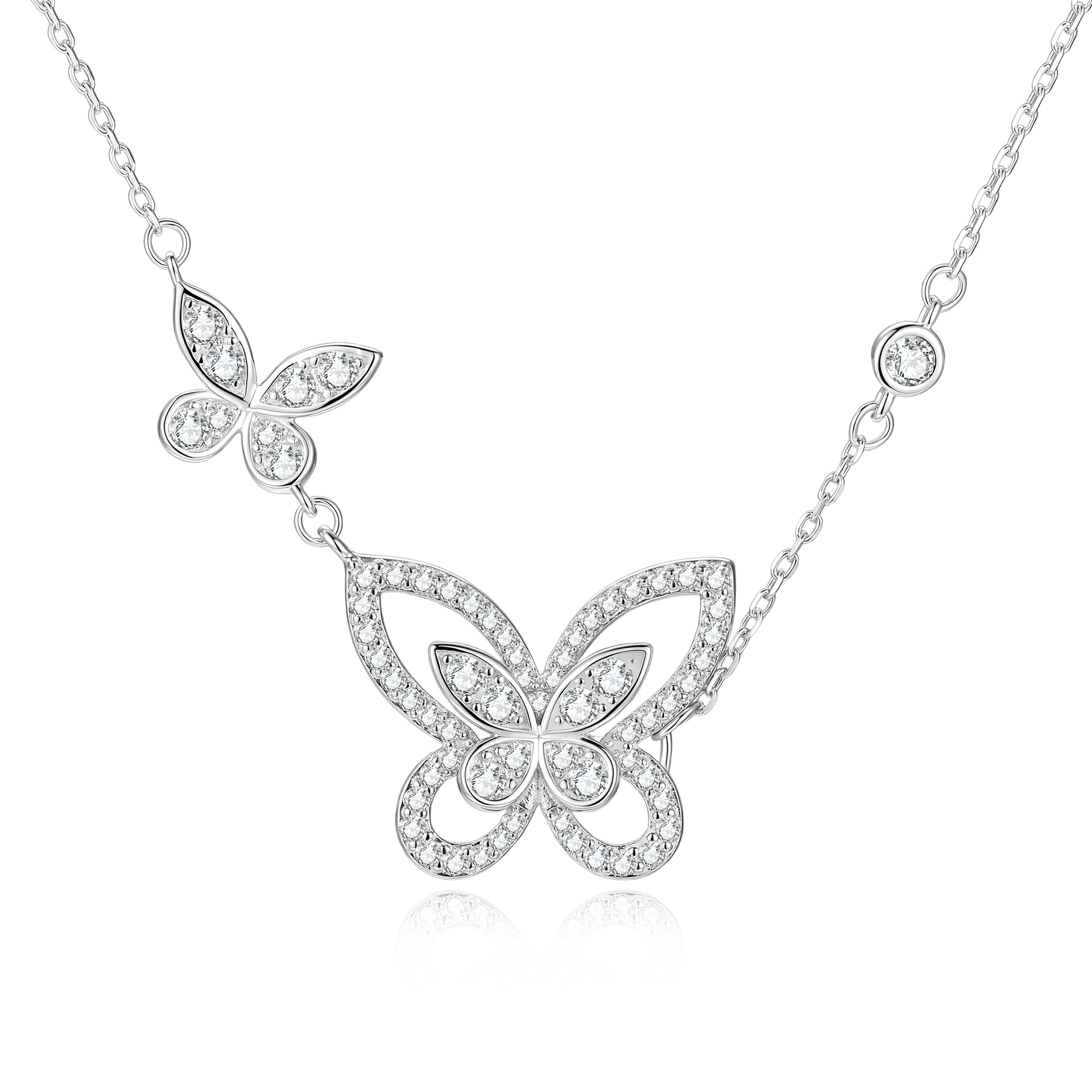
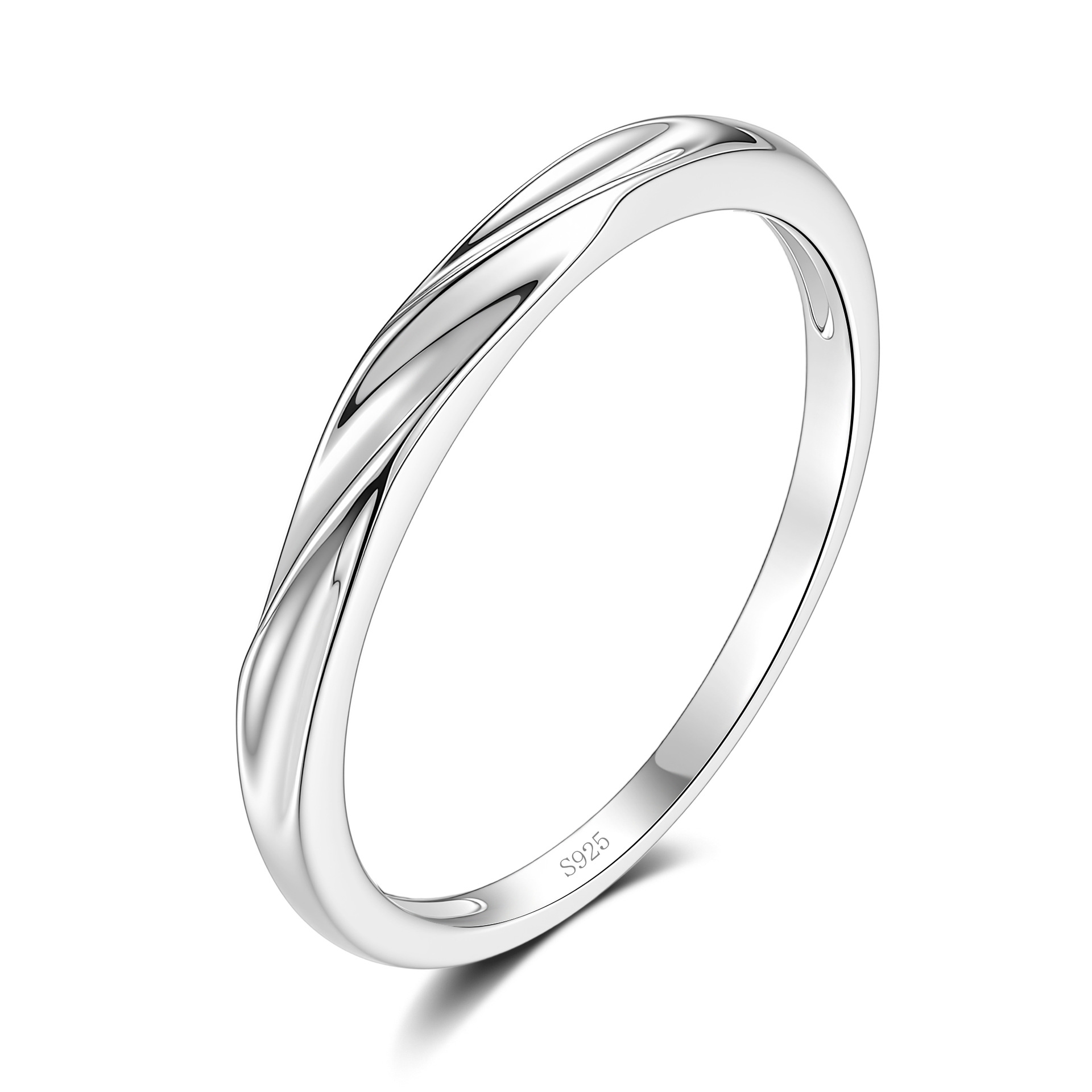
The pendulum has swung away from the flat, stamped look. Buyers are ordering pieces where the metal itself does the work: a twisted band, a curved line, a butterfly with volume instead of an outline. The reason is photographic. On the screen a customer actually shops from, a sculpted piece reads as more expensive, because it throws shadows and highlights the eye can follow.
This is also the trend that separates factories most sharply. A sculptural design needs more metal movement in casting, more polishing time and a setting plan that keeps stones sitting flush on a curved surface. When you approve a sample, photograph it under a single light source and compare it with the render. The gap between the render and the sample is where sculptural designs usually fail.
Trend 5 — Studs and daily-wear minimalism carry the repeat orders
The quiet half of the 2027 assortment is the half that pays the bills. Minimalist daily-wear pieces — small studs, single-row bands, thin chains — are reported at around 41% of the fashion jewellery market, and they behave differently from statement pieces: more units, lower prices, far fewer size complaints. For a wholesale account, they are what keeps the customer buying between statement purchases.
Two design decisions make or break a stud. The first is the post — a screw-back is the safest choice for a customer who sleeps in their earrings, and it is worth specifying rather than assuming. The second is the stone-to-bezel ratio: a bezel-set stone reads larger and tolerates the small knocks that put a prong-set piece out of shape.
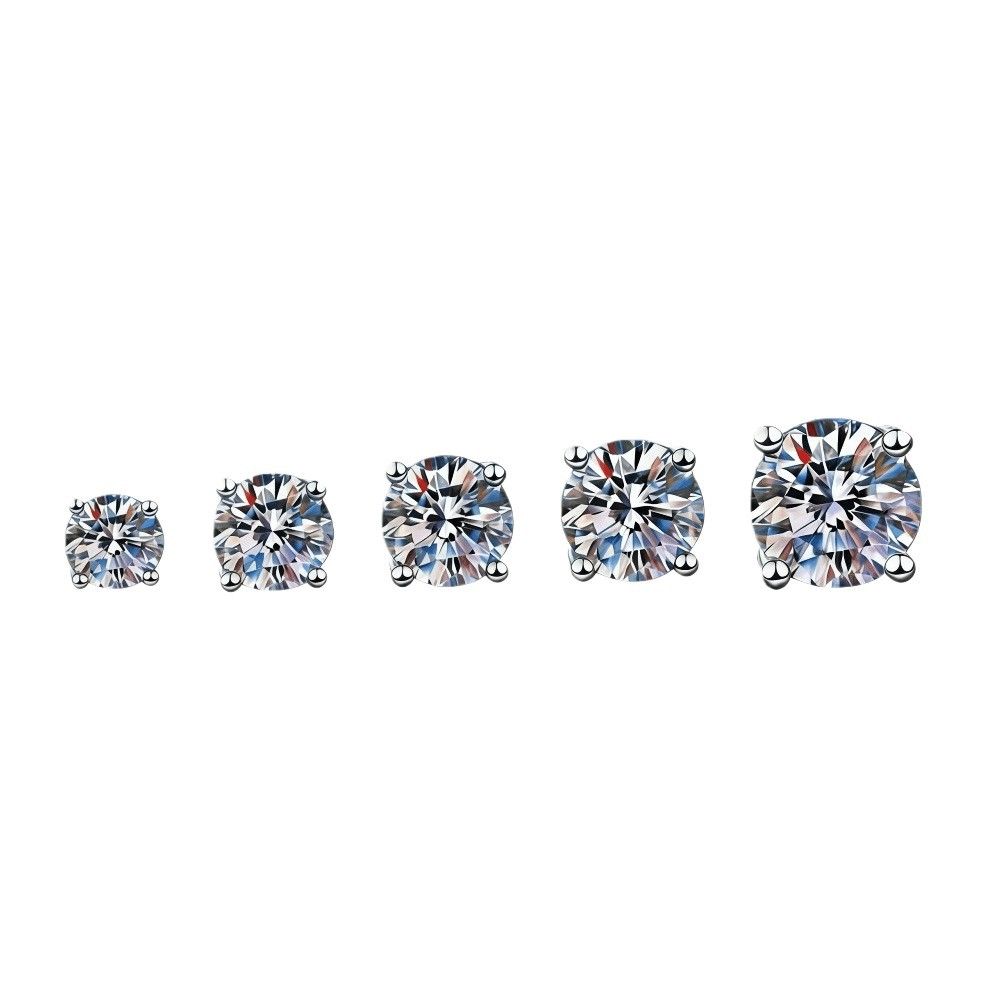
On volume, put your stock depth in the middle of your customer’s expected size range and let the two extremes prove themselves. A graded size run in a single design is the cheapest way to test the range before you commit to it.
Trend 6 — Your plating specification decides your return rate
This is the least glamorous item on the list and the most expensive one to get wrong. Silver is a reactive metal: raw silver tarnishes and looks soft. Plating is what turns a casting into a finished product, and the plating specification is the number that most often explains why two suppliers quote a twenty per cent gap on what looks like the same piece.
Ask for the plating in writing, with a metal and a thickness: rhodium for a bright white finish, 14K or 18K gold for a warm one. Ask whether a barrier layer sits under the top plating, because that is what stops the finish lifting. And ask what the piece is rated for — an everyday-wear piece and a display piece do not need the same specification, and paying for the wrong one leaks margin in both directions.
The paperwork that protects the margin
Solid 925 sterling silver can be struck with the S925 hallmark, with your own brand mark beside it. That matters more than it sounds. A hallmarkable piece can be resized and repaired by any silversmith, which keeps a customer’s jewellery in circulation and your design on the reorder list. Pair it with the stone documentation your customer expects — for moissanite, the grading report issued with the stone — and you have a piece that can be resold rather than only returned.
How to turn these trends into a 2027 test order
A trend list is not an order. What converts it into one is a capsule: a small, deliberate set of pieces that covers several trends, shares a metal and a plating, and can be produced in a single run. The point of the capsule is not to be right about every trend. It is to find out which one your market actually buys, at the lowest possible cost of being wrong.
| Position in the capsule | What to order | Why this one |
|---|---|---|
| Signature pendant | One clover or key body, two chain lengths | Cheapest story to add, and one body covers several listings |
| Mixed-metal accent | One silver piece with a gold-plated detail | Reads as two-tone without a two-tone unit cost |
| Tennis format | One bracelet with a short extender | One SKU covers the widest range of wrists |
| Sculptural | One twisted or curved design | Tests whether your market buys shape over setting |
| Daily wear | One stud in a graded size run | Keeps the account active between statement buys |
| Packaging | One gift box with your insert card | Decides whether the first order ever gets reordered |
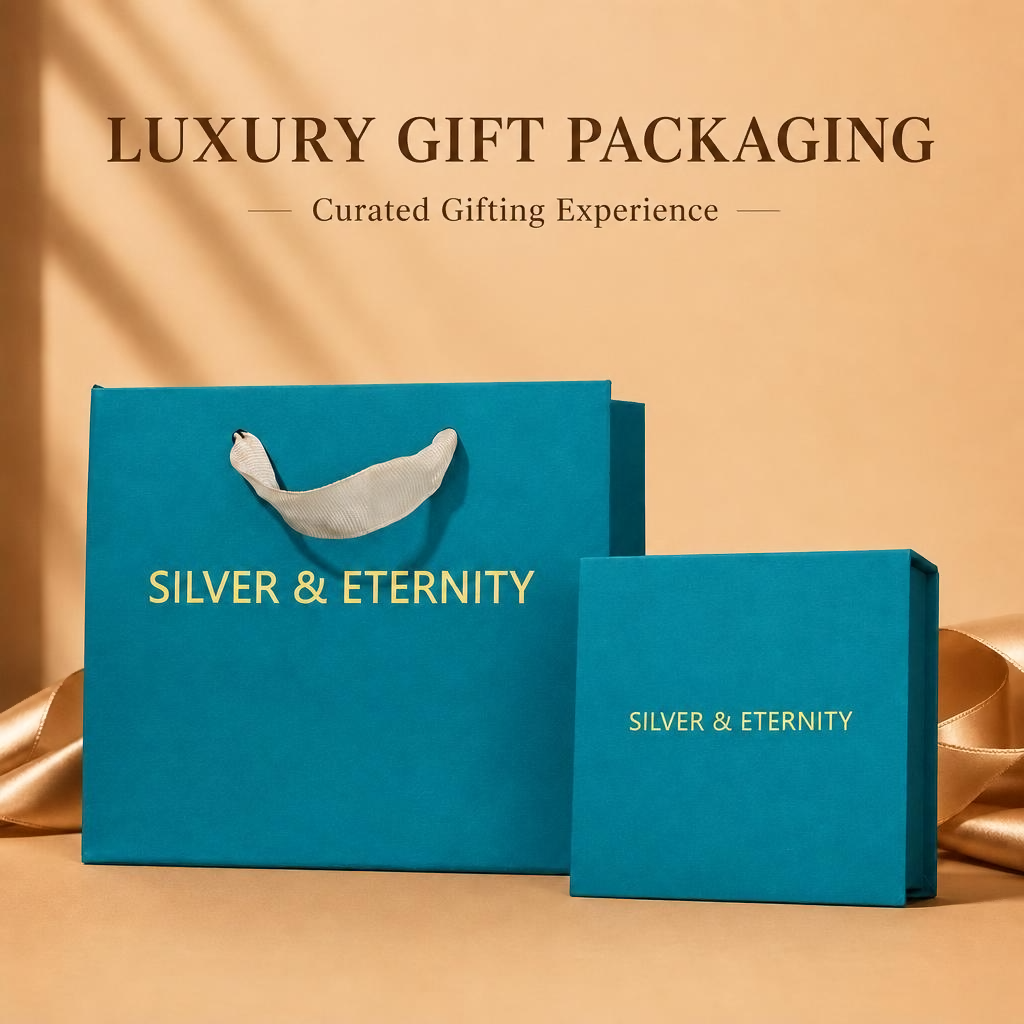
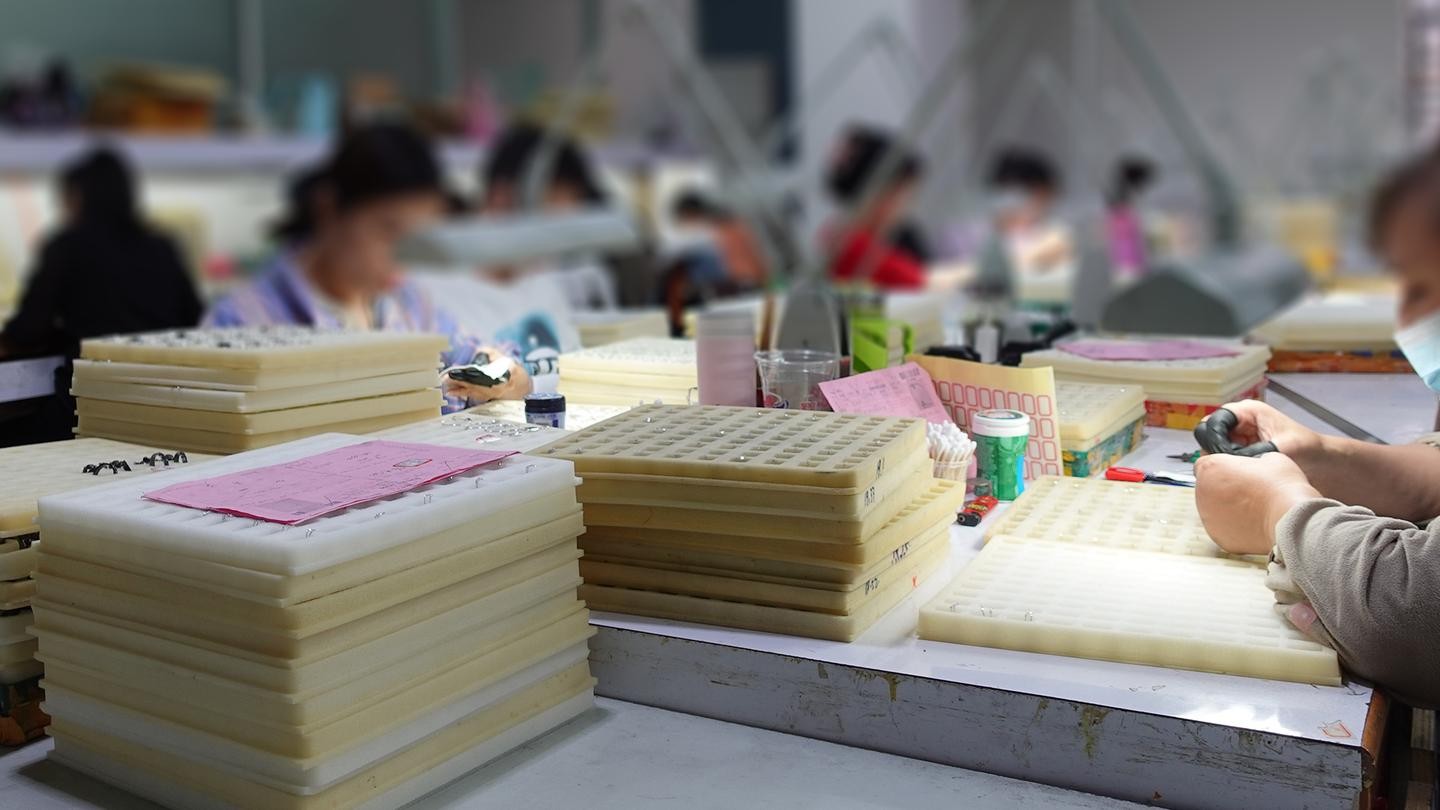
Practical notes on quantity and timing. Minimum order is a single piece on stock designs and 30 pieces on custom orders, so the real constraint on a first 2027 order is not the minimum — it is how many SKUs you can photograph and list before the season opens. Custom sampling takes 7–15 days, and in-stock designs are dispatched within 24 hours, so the sensible plan is to fill the capsule from stock and reserve the custom run for the pieces that prove themselves.
Count backwards from the day you need to photograph the piece, not the day you need to ship it. Sampling, approval and a listing photo are what consume a season.
What not to over-order for 2027
Every trend list has a shadow: the version of the trend that buyers over-order because it photographs beautifully. Four categories are worth testing in tens, not hundreds.
- Oversized single-stone pendants — the highest unit cost in the case and the slowest sell-through, because a statement piece is bought once.
- Full gold-tone ranges — gold plating is the most sensitive specification you can carry. Prove one body before you commit a colourway.
- Very fine chains — thin chains break, and a broken chain costs more in customer service than it earns in margin.
- Seasonal novelty motifs — a trend-limited shape dates your listing, while a symbol that has meant something for a century does not.
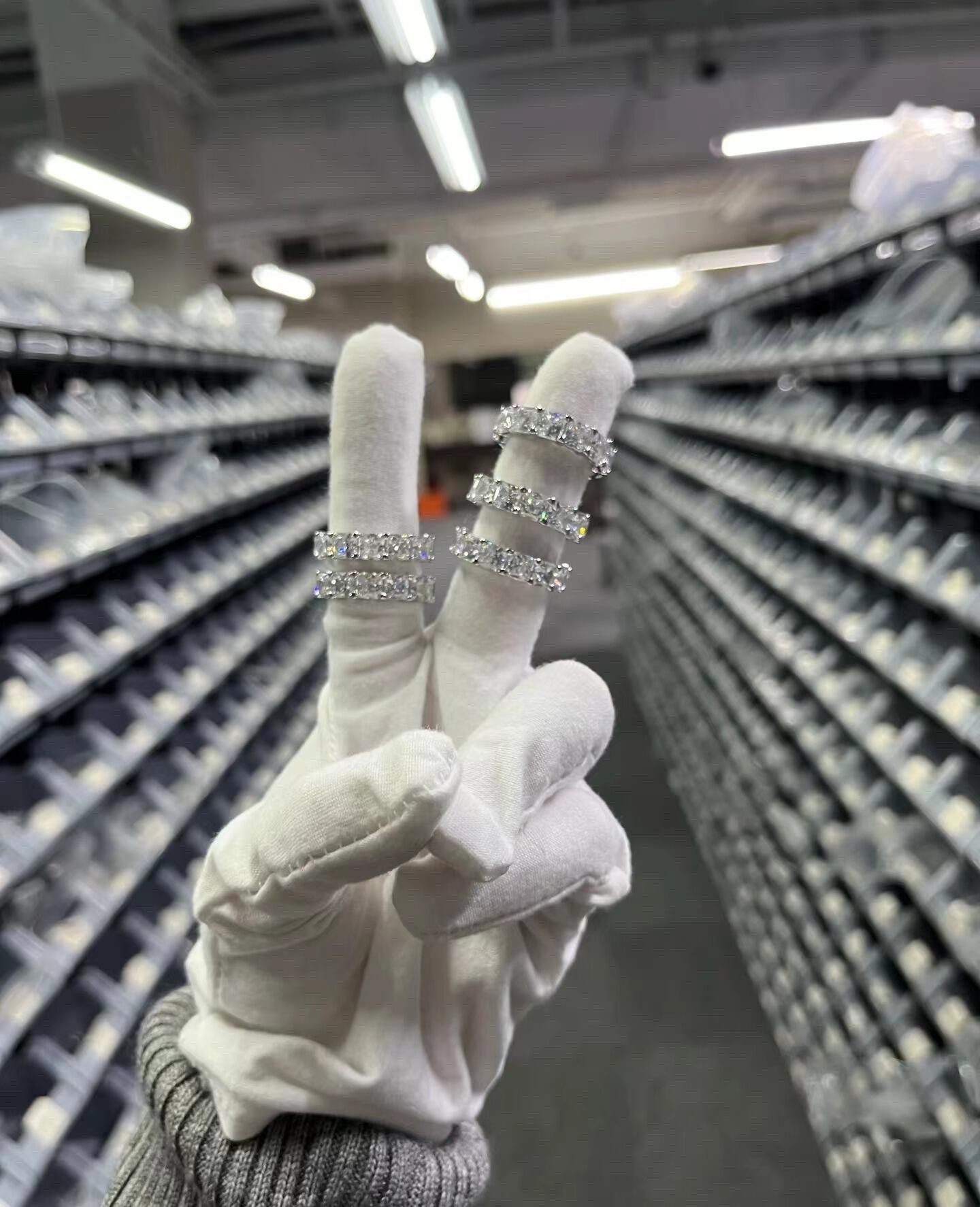
The same logic runs in reverse. The pieces worth a deeper first order are the ones with no size risk, no plating risk and no motif risk — a stud with a screw-back, a tennis bracelet with an extender, a rhodium-plated silver piece that carries a hallmark.
Frequently asked questions
Do I need a custom design to stock moissanite jewelry?
No. Custom orders start at 30 pieces per design, but stock designs start at a single piece. That means you can build a first 2027 assortment from pieces that already exist, and reserve custom tooling for the designs that have already proved they sell.
How long does it take to add a new design?
Custom sampling takes 7–15 days from an approved drawing, photograph or CAD file. In-stock designs are dispatched within 24 hours. For a seasonal listing, count backwards from the day you need the photograph rather than the day you need the shipment.
Can I put my own brand mark on the pieces?
Yes. Pieces can carry the S925 hallmark alongside your own brand mark, and solid silver can be resold, resized and repaired. For a brand that expects repeat customers, that is the difference between jewellery and merchandise.
What should I ask for before paying a deposit?
A written stone specification with colour and clarity, a plating specification naming the plating metal and thickness, sample photographs taken under a single light source, and the packing list format. If a quotation does not state colour, clarity and plating, you are comparing prices for different products.
See also: wholesale moissanite jewelry · 925 sterling silver jewelry · custom OEM/ODM
Wholesale pricing
Tell us what you need priced
Send the design, the quantity and the country you sell into. We reply with a unit price and a lead time within one working day.